
Teddy Bear Pomeranian Puppies: Care, Grooming and Price Guide
Meet the Teddy Bear Pomeranian. It isn’t a separate breed, it’s a Pomeranian with a round, plush look that highlights the face and ears. Think compact body, bright eyes, and a soft, full coat that frames the cheeks for that stuffed-animal vibe.
These pups are small, usually in the 3 to 7 pound range as adults, with a sturdy, lively build. They have a true double coat, a dense undercoat with a longer outer coat. Many owners choose the popular teddy bear trim, inspired by dogs like Boo, to shape the muzzle and ears. Style is fun, but responsible care comes first, including coat health, teeth, nails, and regular checkups.
In this guide, you’ll get clear tips on daily care and grooming that protect the double coat and keep it comfy. You’ll learn common health needs, simple training steps that work for tiny dogs, and what to expect in 2025 when finding a puppy. We’ll cover how to pick a breeder or rescue with care, spot red flags, and plan for lifelong support. Ready to set real expectations and raise a confident, happy pup?
What makes a Teddy Bear Pomeranian puppy unique? Facts, not hype
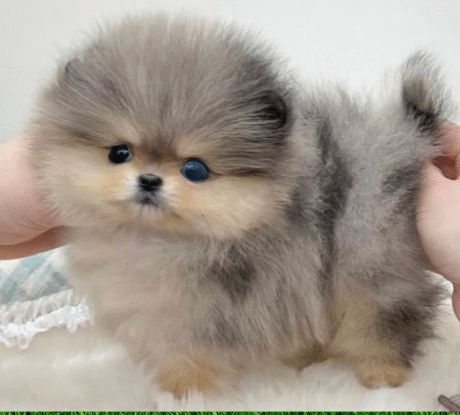
The “teddy bear” Pomeranian is not a new breed. It is a grooming style and coat type within the Pomeranian breed that highlights round, plush features. Dense fur frames the face, small upright ears peek through, almond eyes glow, and a full double coat gives that stuffed-animal illusion. The effect is adorable, but the foundation is pure Pom. For breed standards on size, coat, and temperament, see the American Kennel Club’s overview of the Pomeranian breed.
The teddy bear look explained: coat, trim, and face shape
A true teddy look starts with a full undercoat and healthy guard hairs. Groomers shape the muzzle and cheeks with careful scissoring, rounding the outline while keeping the natural coat structure intact. A tidy teddy trim is soft and balanced; it keeps the coat protective and plush.
Avoid harsh shaving. Cutting into the double coat can harm guard hairs, invite sunburn, and trigger coat funk that grows back patchy. The teddy cut is cosmetic, not a strip. Genetics also play a role. Some Poms grow denser coats, closer-set features, and smaller ears, which enhance the round profile. With the right coat and a light hand, you get that sweet “toy” outline without risking coat health. For more on why the teddy look is style, not a separate dog, see this overview on teddy bear Pomeranians vs. standard Poms.
Size, colors, and coat texture at a glance
Most Teddy Bear Poms stay tiny, about 6 to 7 inches tall and 3 to 7 pounds as adults. They carry a high-set neck ruff, a plumed tail that curls over the back, and a dense double coat that feels springy, never silky. Expect a compact frame and a balanced head with a short, tidy muzzle.
Common colors include orange, cream, black, white, red, sable, chocolate, and parti patterns. Blue, merle, and other patterns exist, but rarity should not drive your decision. Puppies change. Coat density, ear set, and head proportions can shift with maturity, especially after the adolescent shed. If you are researching budgets and options, this page offers a helpful Teddy Bear Pomeranian price guide.
Personality and fit for your lifestyle
This look pairs with classic Pom spirit. They are bold, bright, and loyal, with a playful streak and a watchdog voice. Many act bigger than they are. They bond fast and thrive on attention.
Best fits include attentive families, remote workers, and retirees who can offer company and structure. Plan for:
- Daily brushing to keep the undercoat clean and fluffy
- Short walks and play bursts to burn energy
- Mental games like scent work, trick training, or puzzle feeders
They shine in apartments thanks to their size and quick learning, but you will need to manage barking and set clear routines. With steady grooming, kind training, and a healthy coat routine, the teddy look stays plush and picture-ready.
Daily care made simple: grooming, food, and exercise

Caring for a Teddy Bear Pomeranian can be simple when you follow a steady routine that keeps the coat, tummy, and tiny joints happy.
Grooming routine that keeps the teddy shape without harming the coat
Aim for brushing 2 to 3 times a week with a pin brush, then follow with a stainless steel comb to the skin. Part the coat in small sections and work from the skin out to catch tangles before they mat. Bathe every 4 to 6 weeks with a gentle, dog-safe shampoo. Rinse well, then dry fully with a low-heat dryer while brushing to lift the undercoat. Ask the groomer for tidy trims only: feet, sanitary area, and light face shaping. Skip shaving the double coat. Clipping short can damage guard hairs and cause coat funk.
Quick tool list:
- Pin brush, slicker, comb, nail grinder, tear-safe shampoo
- Dryer with cool or warm setting
For more technique, see this guide on Pomeranian grooming steps.
Feeding a tiny dog: portions, schedule, and healthy treats
Choose a high-quality small-breed formula with tiny kibble that is easy to chew. Feed measured meals at set times to protect the tummy and prevent begging. Puppies need more frequent meals to help avoid low blood sugar. Try 3 to 4 feedings daily until about 6 months, then shift to two meals. Keep treats under 10 percent of daily calories and offer single-ingredient options like freeze-dried meats. Fresh water should always be available.
Watch weight under that fluffy coat. Feel the ribs with light pressure, and look for a waist from above. If the collar or harness gets snug, cut portions slightly. This handy Pomeranian feeding guide offers portion ranges and protein targets as your pup grows.
Exercise and play that protect small joints
Short and sweet wins. Plan two or three 10 to 15 minute walks each day, plus several 5 minute play bursts. Focus on low-impact fun: fetch on grass or a rug, tug with soft toys, and gentle training. Add brain games to burn energy without stress. Try snuffle mats, muffin-tin treat hunts, or easy puzzle feeders.
Protect the neck with a well-fitted harness instead of a collar for walks. Avoid high jumps, stair sprints, and rough play with larger dogs that can bump or topple a Pom. If you have stairs at home, teach a careful pace, or carry your puppy when tired. Keep sessions upbeat, then let them nap.
Potty training for small spaces
Use a small crate or pen to help teach bladder control and build a routine. Take your puppy outside or to the potty spot after meals, naps, play, and first thing in the morning. Stand still, let them sniff, then praise and reward as soon as they finish. Mistakes happen. Clean with an enzyme cleaner to remove odor and prevent repeat spots.
Apartment life can work well. Set a clear plan: outdoor trips as the default, with potty pads or balcony turf as a backup. Place pads in one spot only, and transition by moving the pad closer to the door, then outside. Keep a simple log for the first two weeks to spot patterns.
- Weekly checklist: brush 2 to 3 times, weigh-by-feel ribs test, trim nails, clean eyes and paws.
- Refresh training: 5 minutes daily of sit, stay, and recall, plus one new puzzle game.
Health and vet care: keep your Teddy Bear Pomeranian thriving
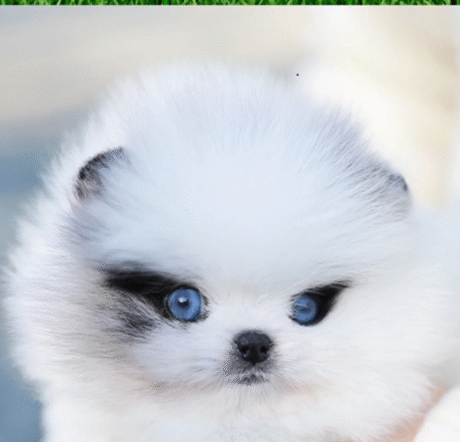
First-year timeline: vaccines, microchip, and wellness visits
Use a simple schedule to stay on track:
- Weeks 6 to 8: first DHPP shot, exam, fecal test, start deworming.
- Weeks 10 to 12: DHPP booster, discuss Bordetella based on lifestyle.
- Weeks 14 to 16: final DHPP, first rabies.
- 6 months: wellness check, spay or neuter timing talk, dental baseline.
- Monthly: heartworm prevention, year-round flea and tick control.
Microchip at the final puppy visit, or at spay or neuter. Keep deworming as your vet recommends. For timing details, follow the AKC’s first-year puppy vaccination guide. Save every record in one folder or app, including vaccine stickers, weights, and medication dates.
Common conditions in Pomeranians and what to watch for
Know the red flags so you can act fast:
- Patellar luxation: skipping steps, sudden limp, rear leg “kick out.”
- Alopecia X: thinning coat on thighs and trunk, darkened skin.
- Dental disease: bad breath, drooling, pawing at the mouth.
- Tracheal sensitivity: cough that sounds like a honk, worse on leash.
- Puppy hypoglycemia: wobbling, weakness, glazed eyes, even collapse.
Less common but important: gallbladder mucocoele (vomiting, belly pain) and portosystemic shunt (stunted growth, confusion after meals). Prevention helps: keep weight lean, brush teeth daily, use a harness, and feed small, regular meals in young pups. Any limp, cough, sudden coat loss, or weakness deserves prompt vet care.
Coat safety: avoid shaving the double coat
Your Pom’s double coat has a dense undercoat for insulation and longer guard hairs for protection. Shaving can lead to slow or spotty regrowth, a wooly texture change, and higher sunburn risk. Choose tidy trims that shape feet, sanitary areas, and face, while preserving length across the body.
For home care, practice gentle line brushing, section by section, using a pin brush and a stainless steel comb to the skin. Add a slicker for tangles, and always dry the coat fully after baths. Before any grooming appointment, show a photo and agree on a conservative, coat-safe length.
Lifespan, insurance, and emergency readiness
Teddy Bear Pomeranians often live 12 to 16 years. The biggest wins for longevity are simple: keep teeth clean, keep weight steady, and choose safe, low-impact exercise. Brush daily, add dental chews, and plan yearly cleanings as needed.
Price-shop pet insurance while your puppy is healthy, since early enrollment helps avoid exclusions and reduces surprises around Pomeranian veterinary care costs like imaging or dental work. See this overview of Pomeranian veterinary care costs to plan your budget. Build a small emergency kit with your vet and ER contacts, current medications, a 48-hour food supply, a leash and harness, a recent photo, and microchip details logged in your phone.
Training and socialization: raise a confident, polite companion
Smart, tiny, and eager to please, Teddy Bear Poms thrive with short, upbeat lessons and early social time paired with treats. Keep it light, kind, and consistent, and you will see quick wins.

Positive methods that work for tiny, smart dogs
Use marker training with a clicker or a crisp “yes” to mark the exact moment your puppy does the right thing. Pair each mark with a tiny, soft treat the size of a pea. Keep lessons short, about 5 minutes, two or three times a day. Rotate between skills to prevent boredom and build focus.
Start with name recognition, then add sit, stay, come, and quiet. Lure sit with a treat to the nose, lift it up, and mark the instant the bottom hits the floor. For stay, add a one-second pause, then pay. Build seconds and distance slowly. For come, crouch low, clap once, and reward heavily when your pup reaches you. Swap drills with quick games like find-it, hand target, or toy fetch to keep energy up. If you want a simple roadmap for beginner cues, try this guide on easy commands for Pomeranians.
Managing barking and watchdog instincts
Poms are natural little sentries. Teach quiet by waiting for a split second of silence, marking it, then paying. Practice often when the house is calm. Reward calm on a mat, and add enrichment to cut boredom barking. Good options include food puzzles, snuffle mats, and short sniff walks.
For door manners, stage practice. Play a recorded doorbell at low volume, feed treats for calm, then raise the sound over sessions. Ask for sit on a mat before opening the door, and reward for holding position. In apartments, desensitize hallway sounds the same way, low volume first, then slowly closer to real levels. If barking feels stuck, this breakdown on Pomeranian barking control offers extra steps and troubleshooting.
Safe social time with kids and bigger dogs
Teach your puppy’s body language so you can step in early. Look for soft eyes, loose tail, and wiggly body as green lights. Yawns, lip licking, tucked tail, frozen posture, or hiding mean your pup needs a break. Keep first greetings short and calm.
With larger dogs, start with parallel walking at a distance, then move closer if both dogs stay relaxed. Hold your puppy at first around bouncy greeters, then set down only when all four paws stay polite. For kids, coach gentle handling: pet the chest or shoulder, no grabbing, no lifting. Keep sessions calm, one child at a time, and use treats for sitting nicely. Stop play the moment your Pom looks stressed, then reset with space and a sniff break. Early, gentle exposure to carts, scooters, bikes, and busy sidewalks builds rock-solid confidence when paired with treats and praise.
How to find a Teddy Bear Pomeranian puppy ethically in 2025
Finding a Teddy Bear Pomeranian should feel calm and transparent. Focus on breeders or rescues that put health, temperament, and support first, not hype or tiny size labels. Use the steps below to stay confident and avoid common traps.
Breeder checklist and red flags to avoid
Look for a health-first program. Good signs include:
- Full vet records, deworming, and vaccine dates
- Genetic and orthopedic screening relevant to Poms
- A written contract with health guarantees and return support
- Clean, odor-free space and confident, socialized dogs
- Honest talk about risks, no pressure to pay fast
Avoid red flags:
- No questions for you, or unwilling to meet on site
- Many breeds for sale or year-round litters
- No contract, no vet records, vague answers
- Buzzwords like teacup, tiny size promises, or shipping-only deals
Registry papers help trace lineage, but a paper alone does not guarantee quality. For a clear buying roadmap, review this guide on where to buy a Pomeranian puppy.
Ask about the teddy look without risking the coat
Ask how they protect the double coat. Smart questions:
- What grooming routine do you use on breeding dogs and puppies?
- How do you shape the face without shaving the body?
- How often do you bathe and what products do you use?
Request the expected adult size based on parents and past litters, with weights recorded at key ages. Confirm they avoid shaving, use tidy scissoring, and teach owners coat-safe upkeep. Prioritize health, temperament, and structure over extreme muzzle rounding or ultra-tiny size. A well-bred Pom with a dense coat and balanced head can still wear a cute teddy trim safely.
Adoption and rescue paths for Pomeranians
Ethical paths include breed-specific rescues and local shelters. Adult Poms can show the teddy look with proper coat care and a light face trim. Start with a calm meet-and-greet, soft voice, and allow a sniff. Take a short trial walk, then sit together in a quiet spot to see how the dog settles. Ask for medical records and behavior notes. Good places to start include reputable groups like Southern California Pomeranian Rescue.
Budgeting for life with a Teddy Bear Pomeranian
Plan for one-time costs: crate or pen, harness, tag, microchip, starter vet exam, potty supplies, and basic training tools. Ongoing costs include:
- Quality small-breed food and dental chews
- Professional grooming every 6 to 8 weeks
- Routine vet care, preventives, and pet insurance
- Toys, enrichment, and training refreshers
Create a monthly pet fund and a separate emergency savings line. Aim to hold at least three months of average pet expenses so surprise vet visits do not derail your plans.
Most Recommended Google Searches for Teddy Bear Pomeranian Puppies by Buyers
The search terms you use shape your results. Type smarter, and you will find healthy puppies, real sellers, and helpful care tips faster. Below are the most useful Google searches buyers rely on in 2025, plus why each one matters.
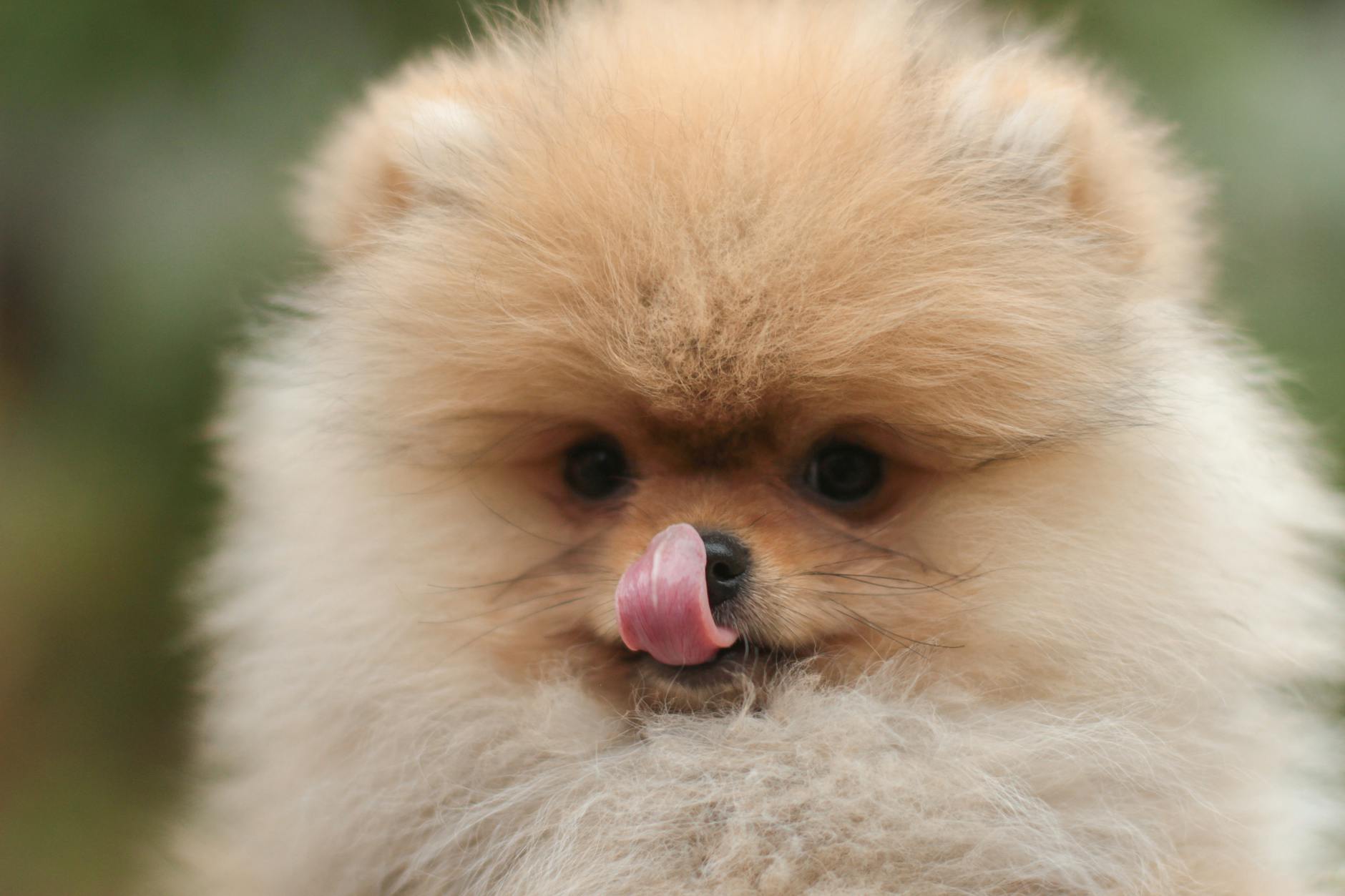
“Teddy Bear Pomeranian puppies for sale near me”
Start local. This search helps you find breeders and rescues you can visit in person. Seeing the setup, parents, and puppy behavior tells you more than any listing. Add your city or state for tighter results, and check maps for distance and hours.
- Tip: Ask for recent vet records before you drive.
- Bonus: Many sellers now include short video tours in listings.
For a quick primer on what the teddy look means, skim this overview on Teddy Bear Pomeranians.
“Teddy Bear Pomeranian price 2025”
Budget clarity saves headaches. This query surfaces current price ranges and what drives them, like pedigree, health testing, and location. It also helps you spot offers that seem too cheap.
- Expect variation by region and breeder standards.
- Look for inclusions, like microchip, first shots, and starter food.
To understand what features buyers often pay for, this breed profile is helpful: Teddy Bear Pomeranian details.
“Reputable Teddy Bear Pomeranian breeders”
Quality control lives here. Use this to find programs that test breeding dogs, socialize puppies, and provide contracts with health guarantees. Read reviews, then call two or three to compare transparency and support.
- Ask about genetic screening and puppy temperament notes.
- Avoid pressure tactics or “rare micro” promises.
For context on the look versus breed standards, see the Teddy Bear Pomeranian guide.
“Teddy Bear Pomeranian adoption” or “rescue Pomeranian near me”
Many buyers choose adoption for a simpler, budget-friendly path. This search shows rescue groups and shelters with Poms that can wear the teddy trim after a good groom. Adoption fees often include vaccines and spay or neuter.
- Ask for behavior notes from the foster.
- Plan a calm meet-and-greet and a short walk.
“How to avoid Teddy Bear Pomeranian puppy scams”
Safety first. This query flags red flags like wire transfers, stock photos, or no video proof. In 2025, AI-edited images make verification even more important.
- Ask for a live video call with the puppy and the seller.
- Request parent info and dated vet records.
Get familiar with common scam patterns in this AKC roundup of popular dog-owner searches.
“Teddy Bear Pomeranian grooming for puppies”
Coat care questions rise fast once you find a pup you like. This search brings up safe grooming tips, tools, and schedule basics. Focus on preserving the double coat, not shaving it short.
- Use a pin brush and comb, section by section.
- Book tidy trims, not full clips.
For technique, this explainer on the Teddy Bear cut and coat safety is a solid starting point.
“Health issues in Teddy Bear Pomeranians”
Smart buyers read up on breed tendencies before paying a deposit. This term surfaces resources on knees, coat changes, teeth, and tracheal sensitivity.
- Ask breeders how they screen for common issues.
- Keep notes so you can discuss preventative care with your vet.
“Teacup Teddy Bear Pomeranian”
People search it, but it is a trap. “Teacup” is a marketing term, not a recognized size. Extreme tiny promises often come with higher risk and more vet bills. If this query pulls you in, reset to the breeder and health searches above.
- Look for balanced size expectations based on parents.
- Prioritize health and structure over tiny size claims.
Quick search tips that save time
A few tweaks help your results get sharper and safer:
- Add your state or nearest big city for stronger local matches.
- Use year filters and “past month” to see fresh listings.
- Combine keywords like “price + contract + health tested” to filter noise.
- Keep a short list of trusted results and revisit them after calls or video chats.
Use these queries as your starting grid. They answer the key questions buyers have right now, from where to find puppies to how to avoid headaches, while keeping coat health and ethics in view.
pottyregisteredpuppies.com offers Teddy Bear Pomeranian puppies and prices
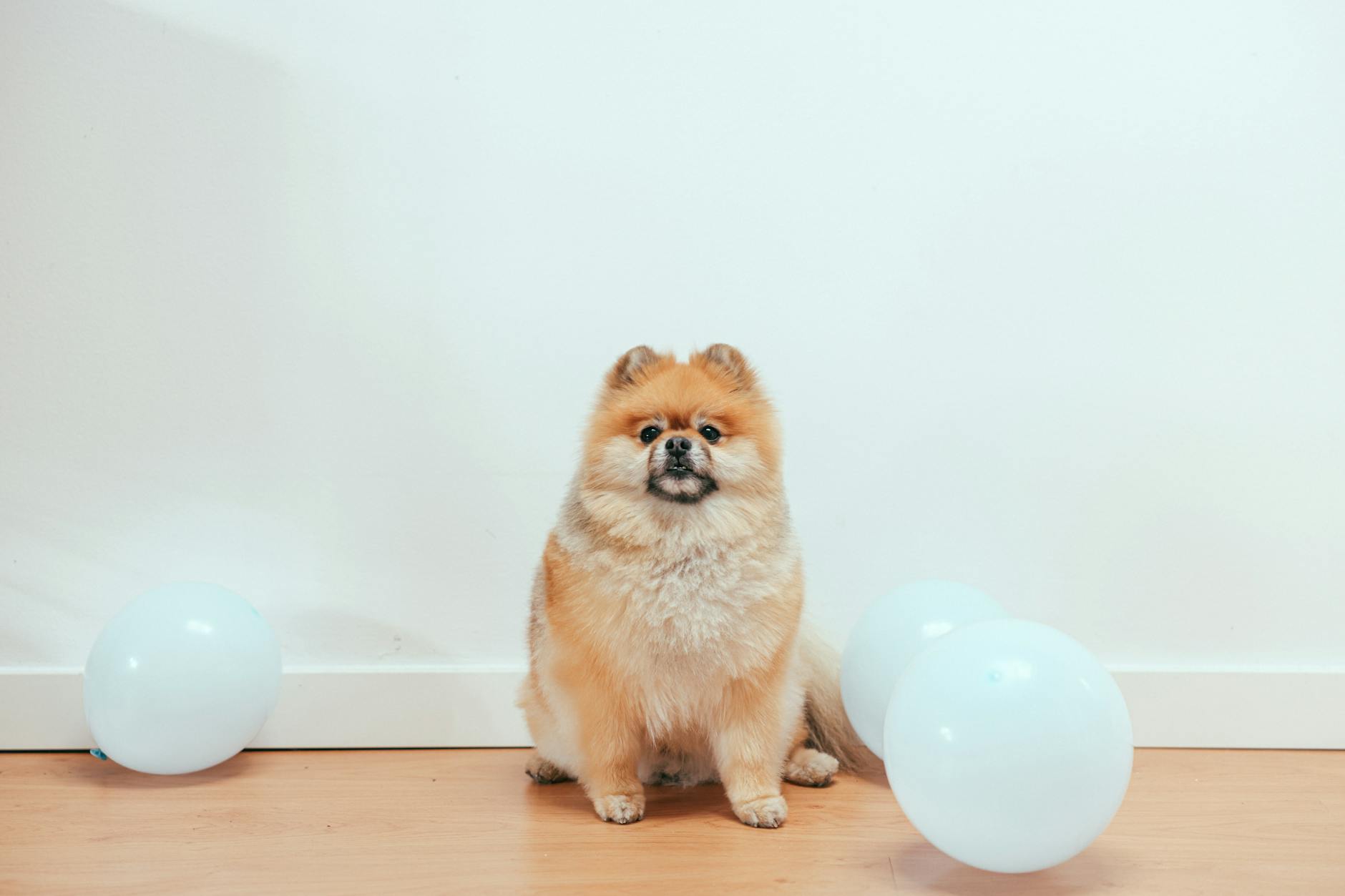
If you want a Teddy Bear Pomeranian without guesswork, look for clear listings with photos, vet info, and upfront pricing. Reputable sellers keep details simple, show what is included, and explain how to reserve a puppy without pressure.
Current pricing expectations in 2025
Teddy Bear Pomeranians fall within typical Pom price ranges, with premiums for coat quality, pedigree, and structure. Here is a quick snapshot you can use as a baseline when comparing listings.
| Type | Typical 2025 Range | Notes |
|---|---|---|
| Pet home, limited registration | $1,200 to $3,500 | Most families land here; price varies by region. |
| Show prospect or breeding rights | $3,500 to $6,000+ | Fewer pups qualify; proof of health testing matters. |
| Retired adult or rescue | $200 to $800 | Fees often include vaccines and spay or neuter. |
Market guides back up these ranges. For broad purchase ranges and ownership costs, see this 2025 snapshot on the cost of owning a Pomeranian. For breed-specific price factors and historical ranges, this breakdown on how much a Pomeranian costs is useful.
What affects the price of a Teddy Bear Pomeranian
Price reflects more than a cute face. You usually pay for program quality and predictability.
- Pedigree and structure: Balanced build, correct bite, and stable temperament raise value.
- Coat and “teddy” potential: Dense undercoat and small, neat ears help the look without shaving.
- Health screening: Vet exams, genetic tests, and knee checks add cost and confidence.
- Size marketing: Ultra-tiny claims can raise prices and health risk. Pick sound structure first.
- Location and demand: Urban areas usually run higher.
- Inclusions: Microchip, starter kit, and early training often justify a higher tag.
Key takeaway: choose health and temperament over extreme size or over-edited photos.
What is usually included with your puppy
You should receive clear records and a starter plan from day one. Inclusions vary by seller, so confirm in writing.
- Vaccine and deworming records with dates and vet info
- Microchip number and transfer guidance
- Health guarantee and return support policy
- Basic training or socialization notes
- A small bag of current food and care tips
Ask for a sample schedule for feeding, potty breaks, and crate time. A good start eases the first week at home.
How to inquire and reserve
Keep your process simple and safe. Follow these steps to avoid stress.
- Review current listings and note the puppy’s name or ID.
- Request a live video call with the puppy and, if possible, a parent.
- Ask for the contract, health guarantee, and all vet records before you send money.
- Confirm the deposit amount, whether it is refundable, and how pickup or delivery works.
Helpful questions:
- Do you use a harness for leash work in puppies?
- How do you maintain the teddy look without shaving the coat?
- What is the expected adult weight based on parents and past litters?
Smart budget planning
Budget beyond the purchase price. You will have ongoing costs for grooming, food, training, preventives, and pet insurance. Owners typically spend on dental care, professional grooming every 6 to 8 weeks, and a steady supply of enrichment toys. For a top-level view of annual expenses and common add-ons, review the 2025 guide on the cost of owning a Pomeranian.
Quick reminder: pick the program that is transparent, not the one that is the fastest to take a deposit. A healthy, well-socialized Teddy Bear Pomeranian is worth the wait.
Conclusion
The teddy bear Pomeranian is a look within the Pomeranian breed, not a separate breed. What makes that plush face shine long term is simple: health, kind training, and coat-safe grooming. Keep the double coat intact, focus on balanced meals, short walks, and daily teeth care, and you will keep that round, happy expression without risking the coat. Set clear routines, teach calm behaviors, and choose ethical sources that value temperament and transparency over tiny size claims.
Plan for lifelong care, not just the first month. Budget for grooming, preventives, and training refreshers. Save records, schedule wellness checks, and build calm social habits early. Ready for next steps? Make a checklist from this guide, then chat with your vet or a trusted groomer about coat care, vaccinations, and safe trims before you bring your puppy home. That prep sets you up for a confident start and years of joy.
