
Teacup Pomeranian Puppies: Size, Care, Prices
Tiny, fluffy, and camera-ready, Teacup Pomeranian puppies are everywhere in 2025. They’re not a separate breed, just very small Pomeranians bred to stay under a few pounds. Social media and celebrity posts have fueled demand, especially for city living and travel. That popularity comes with a hard truth many new owners don’t hear upfront.
These pint-size pups can face big health issues because of extreme smallness. Vets and humane groups warn about hypoglycemia, fragile bones, dental crowding, and tracheal collapse. Responsible buyers should know what’s normal for the breed and what’s risky, then choose with care.
This guide keeps it straight and helpful. You’ll get real-world size expectations, temperament insights, grooming and feeding basics, and everyday care tips that fit apartment life. We’ll also cover common health concerns, red flags when shopping, and how to spot ethical breeders.
Thinking about bringing one home soon? We’ll map out your first 90 days, from safe setup and potty routines to socialization and vet visits. By the end, you’ll have a clear plan, a realistic view of costs and care, and the confidence to put a puppy’s well-being first. If you choose a tiny Pom, you’ll do it the right way.
What is a Teacup Pomeranian? Size, looks, and the truth behind the term

You’ll see “teacup Pomeranian” everywhere in 2025, but it is not a separate breed. It is a marketing label for the tiniest Poms. Below is what that means for size, looks, and health, plus what to expect as puppies grow.
Is “teacup” an official breed or a marketing label?
“Teacup” is not recognized by major kennel clubs. There is no separate teacup breed. The AKC Pomeranian standard covers small dogs already, and show lines often fall in that range. Breeders and sellers use “teacup” to promote the smallest pups within the breed.
Some achieve tiny size by pairing very small parents or selecting runts. That practice can raise health risks like hypoglycemia, fragile bones, and breathing issues. Ask about health testing, size of parents, and vet history rather than chasing an extreme look. For a quick buyer checklist, see these practical tips on Pomeranian puppy health checks.
If you are wondering, is teacup Pomeranian a real breed, the short answer is no. The term is informal. For a clear overview, this guide explains why “teacup” is marketing, not a standard type: Complete Teacup Pomeranian Puppy Facts.
How big do Teacup Pomeranian puppies get? Size and growth timeline
Expect a compact dog even without the teacup tag. Adult height usually lands around 6 to 10 inches at the shoulder. For very small lines, typical teacup Pomeranian weight is about 3 to 5 pounds as adults. Some reach 2 to 3 pounds, but that extreme size is risky and often comes with higher vet needs.
Most pups reach their full size between 9 and 12 months. Growth can be uneven, so track weekly weight during the first few months. Consistent gains signal healthy development. Sudden drops can warn of low blood sugar or illness.
Here is a quick snapshot of teacup Pomeranian size milestones. These are estimates, not guarantees, since genetics and nutrition play a big role.
| Age | Expected Weight Range (very small lines) |
|---|---|
| 8 weeks | 1.2 to 1.8 lb |
| 12 weeks | 1.8 to 2.5 lb |
| 6 months | 2.5 to 4.0 lb |
| 9 to 12 months | 3.0 to 5.0 lb |
Tips that help:
- Weigh on the same scale, same time of day.
- Keep a simple log in your phone notes.
- Bring the log to vet visits for better guidance.
Keywords to keep in mind as you compare breeders and pups: teacup Pomeranian size, teacup Pomeranian weight, and are teacup Pomeranians real.
Coat colors and grooming basics at a glance
Pomeranians come in many colors, and teacup lines share the same palette. Common Pomeranian colors include orange, cream, black, white, red, blue, merle, brindle, and chocolate. The double coat creates that plush, fox-like outline, with a frill around the neck and a full tail over the back.
Grooming is simple but consistent:
- Brush 2 to 3 times per week. Use a pin brush and line-brush to the skin.
- Bathe every 3 to 4 weeks. Rinse well, then blow-dry on low heat.
- Check behind ears, under armpits, and feathering for tangles.
- Trim nails every 2 to 3 weeks to protect tiny joints.
Rare colors, especially blue merle, can trend online. Avoid choosing only for color. Breeding for color first can ignore health, structure, and temperament. Focus on soundness and a stable, friendly personality over a fad shade.
Temperament and family fit: Is a Teacup Pom right for your home?
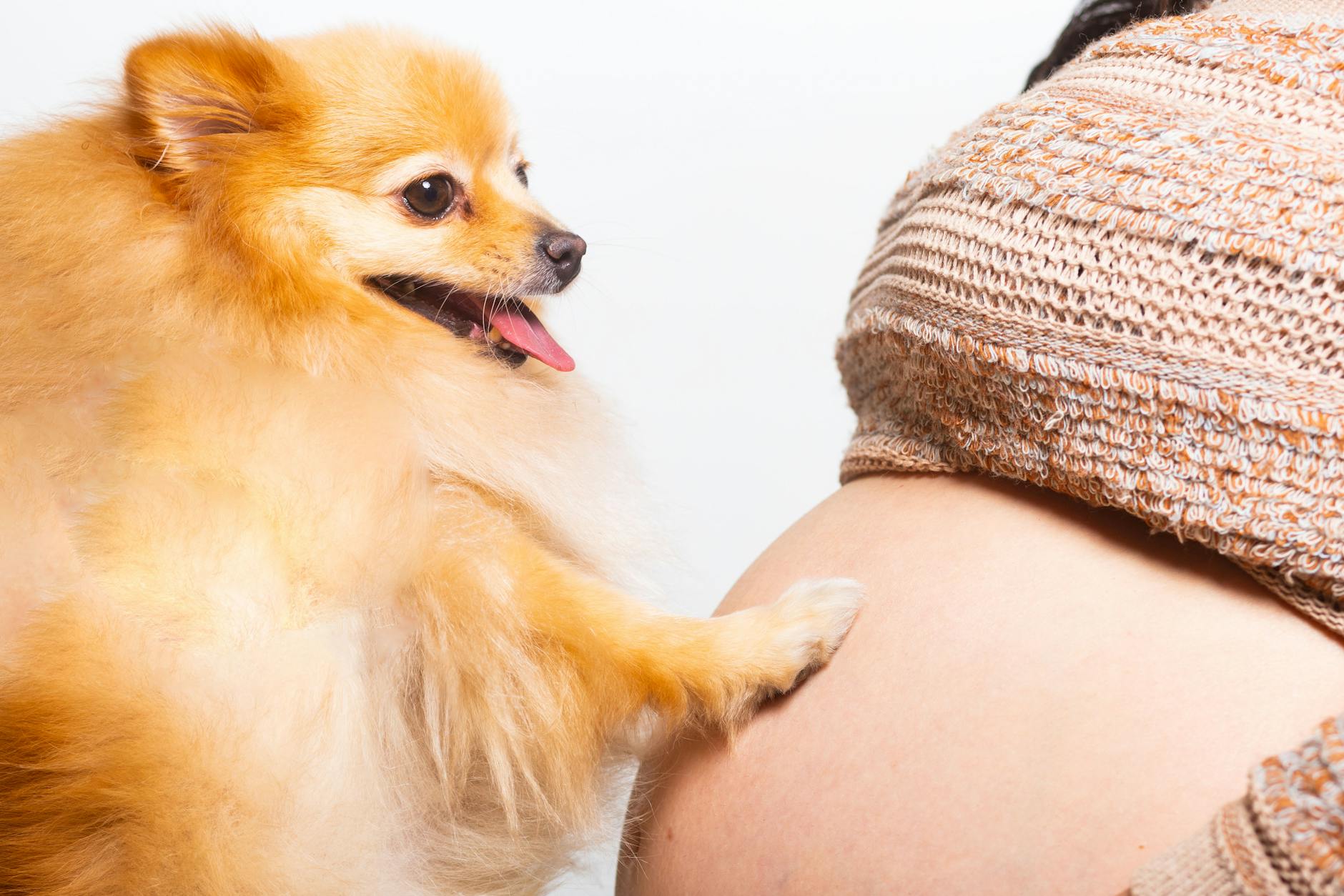
A Teacup Pomeranian carries a big presence in a tiny frame. Think bold, bright, and devoted. They watch everything, follow you from room to room, and want to be part of every plan. Most thrive in calm homes where routines are clear and gentle handling is the norm. If you love training in small bursts, enjoy interactive play, and can manage a vocal watchdog, this size can fit apartment life well.
Personality, barking, and trainability
This is a confident companion with a big-dog attitude. Many form a tight bond with one or two people, then warm up to others with time. The typical teacup Pomeranian temperament is alert and spunky. They are smart, but they can test boundaries. Short, upbeat sessions work best.
Try this approach:
- Keep sessions short: 3 to 5 minutes, a few times a day.
- Use high-value treats: freeze-dried meat or soft training bites.
- Lead calmly: clear cues, steady timing, and a neutral voice.
Barking is common with watchdog instincts. Teach a reliable “quiet,” mark and reward calm, and give daily mental tasks so your Pom has a job. Add “go to mat” for door activity and reward soft silence. For more training structure, this overview on Teacup Pomeranian behavior and training basics can help shape routines that stick.
Kids, other pets, and safe handling
Are teacup Pomeranians good with kids? Often yes, with older, gentle kids who follow rules. Their bones are small, so rough play is not safe. Supervise time with larger dogs to prevent accidental bumps or pounces. Calm, friendly adult dogs are usually fine, but you still need eyes on the room.
Make handling a ritual:
- Two-hand scoop: one hand under the chest, the other under the hind end.
- No roughhousing: trade tug for sniff games or trick training.
- Create safe zones: a playpen, a soft crate, or a gated room.
Prevent jumps from couches and beds. A leap can mean a sprain or fracture. Use ramps or lift them down. Keep floors clutter-free so tiny paws do not snag and twist.
Daily exercise and enrichment routine
Teacup Pomeranian exercise is about consistency, not miles. Aim for 20 to 40 minutes total activity per day, split into short sessions. A few brisk, 5- to 10-minute walks plus indoor play is enough for most. Avoid long stair use and high-impact jumps to protect joints and the trachea.
Rotate low-impact brain and body work:
- Puzzle toys: scatter feeding or a small snuffle mat.
- Scent games: hide three treats and release with “find it.”
- Easy fetch on carpet: short tosses with soft toys.
- Trick training: spin, touch, sit pretty on a cushion, paw target.
Watch for panting, lagging, or coughing, and end early if needed. Keep sessions upbeat and end with success. For more day-to-day tips on motivation and calm structure, this guide to Teacup Pomeranian training and care offers simple, stepwise ideas you can apply right away.
Health and care guide for tiny Pomeranians
Teacup-size Pomeranians are adorable, but their small bodies need smart, steady care. Protect their blood sugar, teeth, joints, airways, and bones. Keep routines simple and consistent, and you will prevent most problems before they start.
Common health risks and early warning signs
Very small Poms face a cluster of teacup Pomeranian health issues. Know the signs and act fast.
- Hypoglycemia: low blood sugar hits fast in tiny puppies. Warning signs include wobbliness, glassy eyes, sudden weakness, sleepiness, or a fainting spell. For a quick emergency plan, rub a small amount of Karo syrup or honey on the gums and call your vet right away. Get more background on hypoglycemia in toy breed puppies.
- Dental crowding and plaque: tiny jaws mean tight teeth. Bad breath, tartar at the gumline, dropping kibble, or pawing the mouth are early flags.
- Luxating patella: slipping kneecaps can cause a skip, a hop, or a few steps on three legs.
- Heart murmurs: your vet may hear this first. At home, watch for reduced stamina or sudden fatigue.
- Tracheal collapse: a weak windpipe triggers coughing or a goose-honk sound, especially on a leash or during excitement. Learn management tips from this guide to tracheal collapse in Pomeranians.
- Injury risk from falls: short jumps off furniture can sprain or fracture tiny legs. Use ramps, lift up and down, and block couch edges.
Want a deeper checklist you can bring to the vet? Review these notes on Common health issues in Pomeranian puppies.
Feeding plan to prevent low blood sugar
Stable fuel prevents hypoglycemia in puppies. Feed a dense, high-quality small-breed puppy food and measure precisely.
- Meal frequency: puppies 3 to 4 small meals a day; adults 2 to 3 meals. For very tiny pups, add a light bedtime snack.
- Measured portions: start with 35 to 55 g total per day for a 3 to 5 lb puppy, split into meals. Adults of similar size often eat 30 to 45 g per day. Adjust to body condition, energy level, and the calorie count on your bag.
- Tools that help: a kitchen scale for grams, airtight storage, and a simple feeding log.
- Timing: avoid long gaps between meals. Aim for even spacing across the day.
- Water: keep fresh, clean water out at all times.
- Treats: pick small, low-calorie bites. Keep treats under 10 percent of daily calories to prevent obesity.
If a puppy seems shaky or dull between meals, offer a small portion, then call your vet if signs do not resolve quickly.
Vet care, vaccines, spay or neuter, and lifespan
Partner with your vet early. Tiny dogs benefit from careful wellness checks and gentle handling.
- Puppy vaccine schedule: DHPP at 6 to 8, 10 to 12, and 14 to 16 weeks. Rabies once between 12 and 16 weeks, as required by your local laws. Your vet may advise leptospirosis based on risk.
- Parasite care: fecal checks at puppy visits and routine deworming. Keep flea and tick prevention up to date year-round if your area needs it.
- Exam focus: ask for patella checks and a trachea assessment at each visit. Discuss cough, honking, or exercise intolerance right away.
- Dental care: start brushing as soon as baby teeth erupt. Plan a professional cleaning when adult teeth are set if tartar builds.
- Spay or neuter: timing is individual. Many tiny dogs do well around 6 to 9 months, once weight is stable and adult teeth are in. Follow your vet’s advice.
- Breeding caution: very small mothers often require C-sections. Do not breed teacup dogs due to high risk.
- Lifespan: the lifespan of teacup Pomeranian dogs averages 10 to 14 years, and some reach 16 with excellent care. See broader breed data on Pomeranian health and lifespan.
Pet insurance and monthly costs you should expect
Budget for steady care and a rainy-day buffer. Very small dogs can have higher lifetime vet costs due to fragility.
| Monthly Category | Typical Range (USD) |
|---|---|
| Food and training treats | 15 to 35 |
| Grooming tools or pro grooms | 0 to 60 |
| Routine vet care (avg. out) | 10 to 40 |
| Dental savings (set aside) | 10 to 30 |
| Pet insurance premium | 25 to 60 |
| Emergency fund contribution | 25 to 75 |
Notes that help:
- Food: small dogs eat little, but choose quality. It pays off in skin and coat health.
- Grooming: at-home brushing saves money. Plan a pro groom every 6 to 10 weeks if you prefer.
- Dental: regular cleanings reduce risk of extractions later.
- Insurance: a solid plan can cushion sudden costs from tracheal collapse flare-ups, fractures, or patella surgery.
- Emergency fund: aim for at least 500 to 1,000 dollars over time. Double that if your Pom is under 4 pounds.
Finding a healthy Teacup Pomeranian: ethical buying and adoption
A tiny Pom should be healthy, stable, and well-socialized, not just cute in photos. Use a clear plan before you send a deposit. The goal is simple: choose a reputable Pomeranian breeder or a thoughtful rescue match that puts the puppy’s welfare first.
How to vet a breeder with confidence
Good breeders welcome questions and show their work. Use this checklist to confirm ethics and care.
- Meet or video-meet the breeder. Pay attention to how they handle puppies and answer questions.
- See where puppies are raised. Clean spaces, safe surfaces, and daily handling signal strong care.
- Meet at least one parent. Confirm size, structure, and temperament. Calm, friendly parents predict stable pups.
- Ask about health testing. Request proof of patella checks, a recent cardiac exam, and an eye exam. Get copies of vet records.
- Review vaccines and deworming. You should get a dated shot record and deworming schedule that matches the puppy’s age.
- Confirm socialization. Ask what the pup has seen and heard at home, like crates, kids, gentle dogs, car rides, and grooming tools.
- Get a written health contract and lifetime take-back. Ethical breeders stand behind their dogs and will always take a dog back.
- Watch size claims. Responsible sellers do not guarantee adult size or extreme tiny weights.
For an example of what to ask for, skim these notes on Teddy Bear Pomeranian health clearances in this guide on proof of testing for Teddy Bear Pomeranians.
Price ranges, contracts, and red flags
The typical teacup Pomeranian price ranges from about 1,000 to 3,000 dollars or more. Pedigree, color, and breeder reputation affect cost. Rare colors or show prospects often sit on the higher end.
A fair contract should include:
- A written health warranty for congenital defects
- Spay or neuter terms if sold as a pet
- Microchip and registration details
- A clear return or lifetime take-back policy
Watch for red flags and walk away fast:
- Guaranteed teacup size or adult weight promises
- No medical records or missing vaccine dates
- Unwilling to show parents or the whelping area
- Cash only, no receipt, or pressure to pay today
- Willing to ship anywhere with zero screening
If you need a quick refresher on shady tactics, review these warning signs in How to Avoid Internet Pomeranian Puppy Scams. Also, spot common traps from backyard sellers in this quick read on beware backyard breeders for Throwback Poms.
Rescue and adoption options
Adoption vs buying comes down to fit, timing, and support. Many families find the right match through shelters or breed rescues.
Benefits you will notice:
- Lower fees and often a recent vet exam
- Known temperament in adults, which makes matching easier
- You help a dog in need, and that feels good every day
Set fair expectations:
- Adult size is known, which removes the guesswork
- History may be limited, so give grace and time
- Some dogs need refresher training or a slower routine
Ask rescue coordinators about foster notes, house manners, barking, handling, and comfort with kids or other pets. Bring a soft crate, a small harness, and a calm schedule for the first week. That steady start helps any Pom settle in and bond for life.
First 90 days with your Teacup Pom: training, grooming, and safety
Your first three months set the tone for life. Keep routines simple, protect that tiny body, and build habits you can maintain. Think short sessions, soft handling, and lots of calm praise.
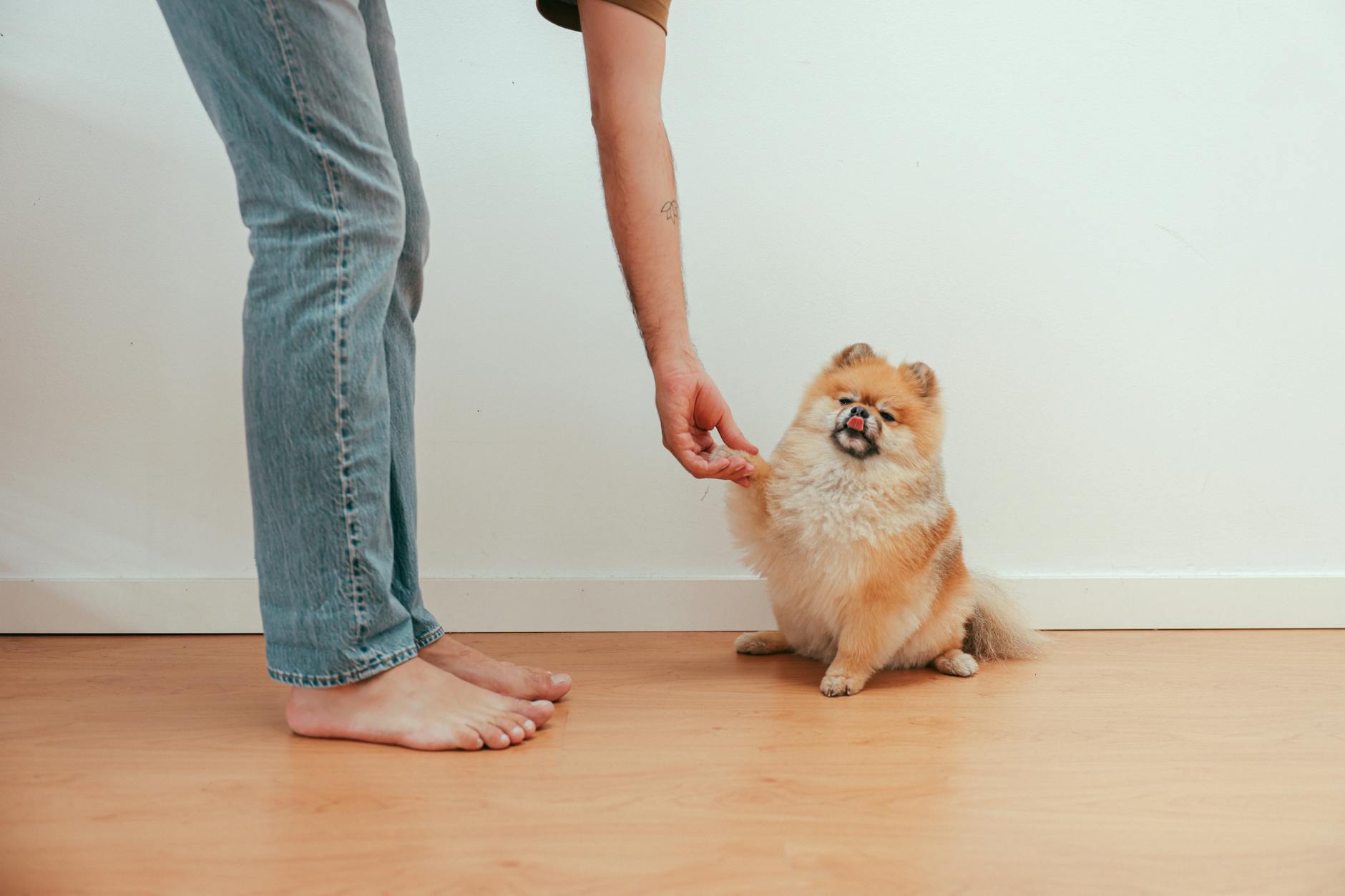
House training and crate setup that works for tiny dogs
Start crate training on day one. Pick a small crate with solid sides, just big enough to stand, turn, and lie down. Add a cozy bed, a safe chew, and a mounted water cup.
- Potty schedule that sticks: out after sleep, meals, and play. Set a timer for 60 to 90 minutes between breaks during the day. At night, expect one short break for very small pups.
- Outdoor routine: carry your Pom to the same grass spot, wait quietly, mark the moment with “yes,” then give a tiny treat. Keep it boring outside until they go, then praise.
- Pad backup: if you use pads, place one in a single quiet spot. Over a week or two, move the pad a few feet at a time toward the door. Switch to the yard once your pup anticipates the route.
- Avoid punishment: interrupt accidents with a neutral “outside,” then guide to the spot. Clean with an enzyme product to remove scent.
Crate time should feel safe, not lonely. Park the crate near your bed at first, then inch it to your preferred spot. For structure and more ideas, see these Pomeranian crate training tips from an established breed resource: The Best Pomeranian Crate Training Tips.
Quick wins for teacup Pomeranian training:
- Keep sessions under five minutes.
- Use pea-size rewards.
- End on success, then rest.
Grooming schedule and tools checklist
A steady grooming schedule prevents mats and keeps skin healthy. Stock a pin brush, slicker brush, stainless steel comb, nail grinder, dog toothpaste and brush, ear cleaner, and a blow dryer on low.
Weekly plan for the first 90 days:
- Brush 2 to 3 times: line-brush to the skin. Use the comb to confirm you reached the undercoat.
- Hot spots for mats: behind ears, under legs, inside thigh fluff, and tail base.
- Wipe eyes: daily or as needed, gentle and dry after.
- Check ears weekly: clean only what you can see.
- Trim nails every 2 to 3 weeks: short nails protect tiny joints.
- Bathe every 3 to 4 weeks: rinse fully, then blow-dry on low while brushing.
Product choices matter with small coats. These overviews on Pomeranian grooming tools and routines can help you pick the right brush set and cadence:
Tip: keep a simple caddy with tools and treats so you can do “spa minutes” after dinner. Short and sweet beats marathon sessions.
Home safety, travel, and socialization checklist
Start puppy-proofing before your Pom arrives. Their size makes everyday items risky.
Home safety musts:
- Block cords, secure trash, and lift small objects off the floor.
- Check recliners, rocking chairs, and gaps under furniture.
- Add carpet runners for traction on slick floors.
- Use ramps or stairs for couches and beds to prevent jumps.
Travel basics:
- Use a crash-tested car seat or carrier, secured by the seat belt.
- Fit a soft, well-made harness that protects the trachea. Clip the leash to the harness, never the collar.
Early socialization builds confidence:
- Meet gentle adults and polite older kids in short sessions.
- Greet calm, vaccinated dogs you trust.
- Play recordings of doorbells, traffic, and appliances at low volume.
- Walk on smooth surfaces, then add grass, rubber mats, and short steps.
Keep sessions brief, pair new things with treats, and give breaks. A confident Pom is curious, not overwhelmed. Rotate training, grooming, and social time across the week so your puppy rests as much as they learn.
Most Recommended Google Searches for Teacup Pomeranian puppies by Buyers
If you are shopping in 2025, you will see the same questions come up again and again: price, size, health, and where to buy. Smart searches help you cut through hype and find solid answers faster. Use the ideas below to refine your queries, compare sources, and avoid red flags.
Top buyer intents and example Google searches
Use these targeted searches to get clearer results. Mix and match location or color to fine-tune.
| Buyer Intent | Example Google Queries | Why It Helps |
|---|---|---|
| Price and budget | teacup Pomeranian price 2025, teacup Pomeranian cost near me |
Sets a real budget and filters unrealistic claims |
| True size and growth | teacup Pomeranian weight chart, how big do teacup Pomeranians get |
Confirms adult weight and growth timeline |
| Ethical listings | reputable Pomeranian breeders near me, teacup Pomeranian puppies for sale reviews |
Surfaces vetted sellers and review data |
| Health and care | teacup Pomeranian health issues, tracheal collapse Pomeranian care |
Preps you for real-world care and vet questions |
| Grooming and upkeep | Pomeranian grooming schedule, teddy bear cut Pomeranian pros and cons |
Keeps coat healthy, avoids trendy but risky styles |
| Monthly costs and insurance | Pomeranian pet insurance cost, average monthly dog expenses small breed |
Plans realistic, ongoing costs |
| Travel and supplies | best harness for Pomeranian trachea, crash-tested car seat small dog |
Protects the airway and improves travel safety |
| Red flags and scams | puppy scam signs teacup Pomeranian, avoid backyard breeders Pomeranian |
Helps you spot pressure tactics and fake listings |
Price and budget keywords buyers use
Most shoppers start with cost. Ground your search in current ranges, then compare by location and reputation.
- Try:
teacup Pomeranian price 2025,Pomeranian puppy cost by state,deposit and contract Pomeranian. - Expect higher prices for rare colors or tiny adults. Be cautious of ultra-low “too good to be true” ads.
For a sense of market variety, compare listings on Good Dog’s Pomeranian page. You will see breeder profiles, health testing notes, and transport options, which helps you sanity-check pricing.
Size, growth, and what “teacup” really means
Buyers want clarity on weight and height before they commit. Use searches that separate marketing from facts.
- Try:
teacup Pomeranian adult weight,Pomeranian growth chart week by week,toy vs teacup Pomeranian difference. - Look for adult weights around 3 to 5 pounds in very small lines. Claims under 3 pounds often come with higher grooming and vet needs.
Check any size promise against the parents’ weights and honest growth tracking. If a seller “guarantees” an extreme adult size, treat that as a warning.
Finding ethical sources and availability
Availability changes week to week. Use searches that surface reviews, contract details, and care standards, not just cute photos.
- Try:
vetted Pomeranian breeders near me,teacup Pomeranian puppies for sale reviews,Pomeranian breeder contract health guarantee. - Scan for transparent health records, a take-back policy, and responsible screening.
If you are browsing options, you can compare pups here: Teacup Pomeranian Puppies for Sale. Confirm size of parents, vaccination dates, and puppy handling before you place a deposit.
Many buyers also search multi-seller sites to gauge supply and pricing across regions. For example, some view curated seller pages like Teacup Pomeranian Puppies for Sale to compare looks and policies. Always cross-check breeder reviews and ask for recent vet records.
Health, care, and vet topics buyers search
Small size means special care. Keep your search terms practical so you are ready for day one.
- Try:
toy breed hypoglycemia signs,Pomeranian tracheal collapse management,luxating patella Pomeranian symptoms,dental care small dogs daily routine. - Add your city to find local vets or clinics with toy-breed experience.
Key takeaways to apply:
- Search for “symptoms + action” so you know when to call the vet.
- Look for feeding plans that prevent low blood sugar and promote slow, steady growth.
- Favor harnesses over collars in your searches to protect the trachea.
Grooming, training, and daily life questions
Owners often search for coat care, barking control, and safe enrichment. Keep queries short and direct.
- Try:
Pomeranian grooming at home step by step,best brush for Pomeranian undercoat,quiet command training small dog,Pomeranian exercise minutes per day. - Seek guides that include line-brushing, blow-drying on low, and nail care every 2 to 3 weeks.
Training searches that work:
mark and reward calm barking,go to mat training tutorial,crate training schedule small puppy.
Travel, supplies, and insurance cost lookups
Smart gear searches protect tiny frames and cut risk during car rides or flights.
- Try:
crash-tested small dog car seat,best step-in harness for Pomeranian,airline pet policy small dog carrier size. - For budgeting, use
toy breed pet insurance average premiumand compare at least two providers.
Build a simple checklist from your results:
- Trachea-safe harness, seat or secured carrier, nail grinder, pin brush, slicker, comb, and an enzyme cleaner for accidents.
Pro search tips to save time and avoid traps
Small tweaks to your query can improve results and expose red flags.
- Use quotes for exact phrases:
"teacup Pomeranian price 2025". - Add your city or state for local options:
teacup Pomeranian breeder Austin. - Compare reviews with
site:, for example:site:google.com "breeder name" reviews. - Filter out noise with a minus sign:
teacup Pomeranian for sale -Craigslist -Facebook. - Look up contracts with
filetype:pdf breeder contract Pomeranian.
A quick scan of search results should reveal consistent pricing, realistic adult size expectations, and transparent health details. If you only see glamour photos, pressure to pay now, or guaranteed micro sizes, switch your search and keep looking.
pottyregisteredpuppies.com offers Teacup Pomeranian puppies and prices
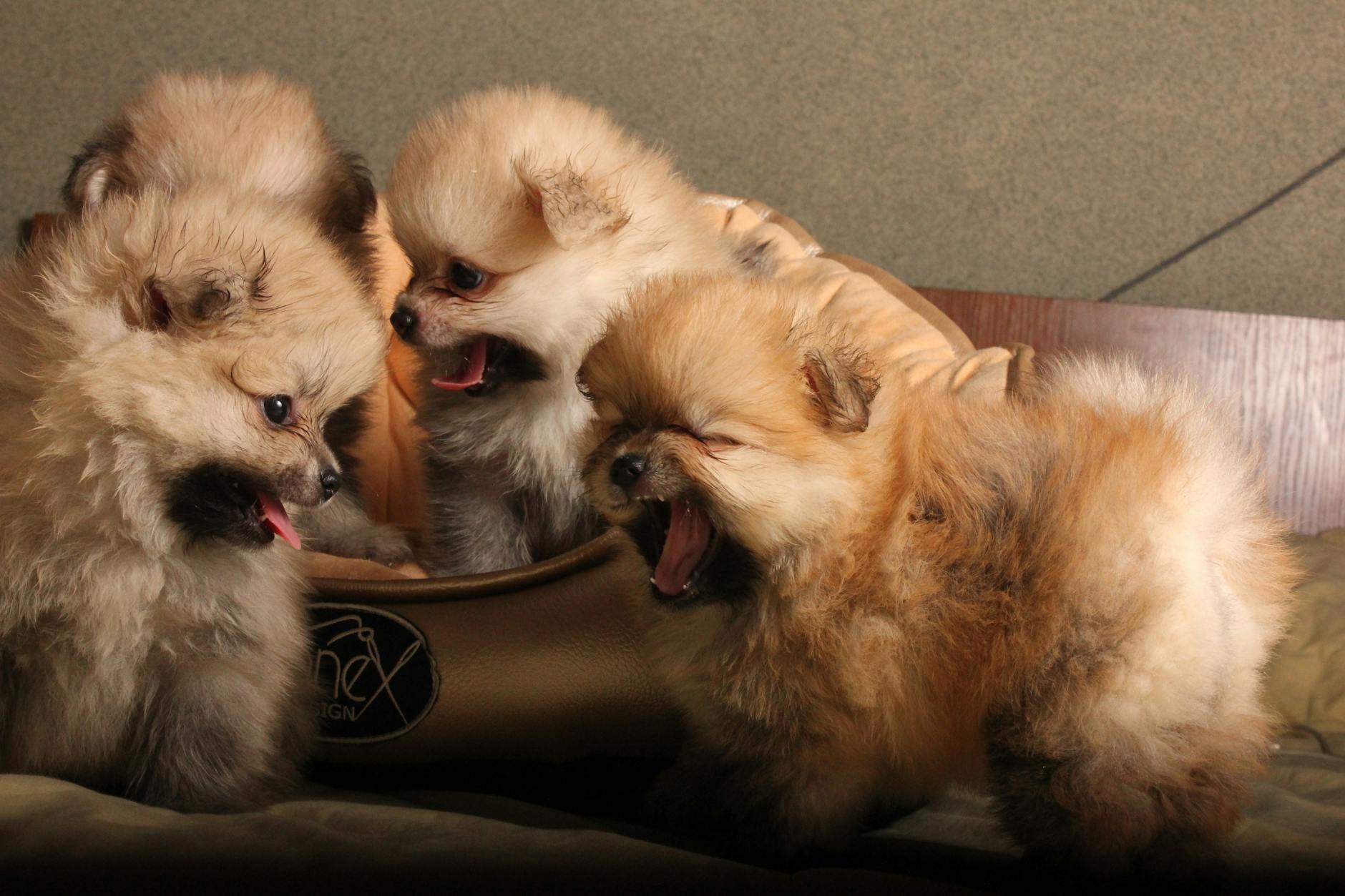
Shopping for a tiny Pom is exciting, but the details matter. pottyregisteredpuppies.com lists Teacup Pomeranian puppies along with key info buyers want, including photos, age, and pricing. Use the notes below to read listings with confidence, compare prices, and budget for the full first-year cost.
What you will typically see in listings
A clear listing makes comparing puppies easier. Expect these details, and ask for them if anything is missing.
- Puppy profile: age in weeks, sex, color, and current weight.
- Estimated adult size: usually a range based on parents. No one can guarantee a final weight.
- Health records: vaccine dates, deworming schedule, vet checks, and microchip details.
- Parent info: weights, temperaments, and any health screenings.
- What is included: starter food, a small blanket with litter scent, health warranty, or a take-back policy.
- Pickup or delivery: local pickup, licensed transport, or hand-delivery options with timing and fees.
Tip: ask for a short video of the puppy moving on a non-slip surface. You will catch clues about confidence, gait, and breathing that photos miss.
Teacup Pomeranian price overview in 2025
Prices vary with demand, color, pedigree, and the seller’s program. Broadly, national ranges for Pomeranian puppies often run from the low thousands up, with very small sizes and rare colors pushing higher. For context, see current guidance on typical costs on Good Dog’s Pomeranian page and a detailed breakdown in this Teacup Pomeranian price guide.
Here is a simple way to think about pricing bands you might see:
| Factor | Typical Range (USD) | What Affects It |
|---|---|---|
| Pet-home Teacup Pom | 1,500 to 3,000 | Sex, color demand, and location |
| Smaller-size premium (under 4 lb est.) | 2,500 to 4,500 | Extra monitoring and higher demand for tiny adults |
| Rare colors or show-forward lines | 3,000 to 6,000+ | Color rarity, pedigree depth, and breeder reputation |
| Transport or hand-delivery | 200 to 700+ | Distance, method, and time of year |
Price is only one part of the decision. A stable temperament, honest size expectations, and solid vet care are worth more than a flashy photo.
Deposits, holds, and delivery timing
Most sellers use a nonrefundable deposit to hold your puppy, then collect the balance at pickup or before delivery.
- Deposit: often a flat fee paid by card, invoice, or bank app.
- Balance: due on pickup or a few days before transport. Ask for a written invoice.
- Delivery: reputable options include licensed ground transport or a flight nanny. Confirm crate size, breaks, and temperature plans for the route.
- Availability: small litters sell fast. If timing matters, ask about upcoming litters and waitlist terms.
Keep copies of every receipt, contract page, and text or email thread. It pays off if plans change.
What to verify before you pay
Protect your money and your future puppy by confirming a few non-negotiables.
- Proof of recent vet exam and vaccine dates that match the puppy’s age.
- Photos or video of the puppy with a date marker.
- A health warranty in writing, with clear terms and time frames.
- A take-back policy. Responsible sellers will accept a dog back at any time.
- Honest size talk. Adult weights are estimates, not guarantees.
- Safe pickup plan or transport details, including who is responsible if travel is delayed.
If anything feels rushed or unclear, pause and ask for specifics in writing.
Sample first-year cost snapshot
Use this quick breakdown to build a realistic budget. Adjust for your city and your puppy’s size.
- Puppy price: 1,500 to 4,500 dollars
- Transport: 200 to 700 dollars
- Initial supplies: 150 to 300 dollars (crate, bed, harness, seat or carrier, bowls, brushes)
- First vet visits and vaccines: 150 to 350 dollars
- Spay or neuter: 250 to 700 dollars
- Grooming tools or pro grooms: 0 to 600 dollars for the year
- Pet insurance: 300 to 700 dollars per year
Want to see how other sellers present tiny Pom options? Compare formats and pricing styles on this curated page for Teacup Pomeranian puppies for sale. Use it to fine-tune your questions about health records, transport, and contracts.
Conclusion
Teacup Pomeranian puppies charm on sight, yet they thrive with structure, patience, and a health-first mindset. Keep expectations real about size and vet needs, and choose steady routines that protect sugar levels, joints, and the trachea. Smart handling, calm training, and regular grooming keep these tiny companions safe and confident.
Make your next steps clear. Book a vet check, set a monthly budget, and build a starter kit that includes a harness, carrier, brush set, and high-quality food. If you buy, ask for health records, parent sizes, and a take-back policy. If you adopt, give your new dog time, consistency, and gentle social wins.
Focus on welfare over hype. Favor stable temperament, honest size talk, and transparent care over rare colors or extreme weights. Your plan should be simple, kind, and repeatable. Ready to move forward? Outline your first 90 days, confirm support from a trusted vet, and pick the most responsible path, whether buying or adopting. Tiny dog, big commitment, lifelong payoff.
