
Pomeranian Puppies for Sale: Price, Breeders, Care Tips
Looking for Pomeranian puppies for sale and want to do it right the first time? You’re in the right place. Poms are tiny toy dogs, about 3 to 7 pounds and 6 to 7 inches tall, with a big personality. They’re loyal, alert, and yes, they like to bark.
You might be on a tight timeline or just starting your search. Either way, scams, health risks, and price confusion are real worries. In 2025, the typical Pomeranian price from reputable Pomeranian breeders runs about $1,000 to $5,500, with some show lines higher. Adoption can cost less, but health and history still matter.
This guide makes things simple. You’ll learn where to find a reputable puppy, how to spot red flags, and what records to ask for. We’ll break down a clear budget, how to choose the right pup for your home, and how to care for your new Pom in the first month.
Want a quick look at what’s out there? Here’s a recent video to help you compare types and size expectations: https://www.youtube.com/watch?v=bk-8IwEdlVo. Let’s help you find a healthy, happy Pom without stress.
Pomeranian breed snapshot for buyers: size, temperament, and health

Thinking about daily life with a Pom? Picture a tiny shadow that follows you from room to room, ready to alert you to anything new, and happy to play in short spurts. Here is what to know before you commit.
Pomeranian size, coat, and energy at a glance
Pomeranians are toy dogs, typically 3 to 7 pounds and 6 to 7 inches tall. They have a plush double coat with a soft undercoat and a longer outer coat.
- Coat care: Expect seasonal shedding in spring and fall. Brush several times a week to prevent mats, and daily during heavy shed.
- Grooming basics: Use a slicker brush and a metal comb. Keep feathering behind ears and under the legs tangle-free.
- Energy needs: Short, fun play sessions and indoor games meet daily exercise needs. Think fetch down a hallway, puzzle toys, and 10 to 15 minute walks.
- Temperature care: Poms are sensitive to heat and cold. Keep them warm in winter with a sweater, and cool in summer with shade, water, and limited midday activity.
For breed standards and a quick confirmation of size and coat traits, review the AKC Pomeranian breed information.
Temperament, barking, and easy training wins
A Pom is a big-dog attitude in a tiny body. They are lively, smart, and loyal. They also make keen watchdogs and often bark at new sounds or strangers.
- Manage barking: Teach “quiet” with rewards, practice calm door greetings, and redirect to a mat or chew. Reward silence.
- Socialize early: Meet friendly dogs, people, and new places while young. This prevents fear and helps avoid small dog syndrome.
- Train smart: Use short daily sessions, high-value treats, and clear cues. End on success. Consistency beats long, infrequent sessions.
Mental games, like hide-and-seek with treats or a stuffed puzzle toy, help curb boredom and reduce noise. For a lifestyle fit snapshot, see the AKC’s guide on whether a Pomeranian fits your routine.
Health and lifespan overview for buyers
Most Pomeranians live 12 to 16 years with good care. Ask breeders about screening and family history for the following:
- Patellar luxation: Loose kneecaps that can cause skipping or lameness.
- Tracheal collapse: Honking cough, worse with pressure on the neck. Use a harness, not a collar.
- Dental disease: Crowded teeth trap plaque. Brush several times a week and schedule cleanings.
Plan on regular vet visits, gentle handling, and routine dental care. Set aside funds with pet insurance or a savings plan so you can act fast if a health issue pops up.
If you are comparing options, browse health care and cost details on our page for Adorable Pomeranian puppies for sale.
Are Pomeranians good for apartments and families?
Yes, Poms do well in apartments with training and daily play. Their small size and modest exercise needs fit city life, but they still need structure.
- Families: They do best with older kids who understand gentle handling. Supervise closely with toddlers, since Poms are fragile.
- Other pets: Many Poms live happily with cats and dogs when socialized early.
- Home setup: Use baby gates or a playpen to create a safe zone. Teach “gentle,” “settle,” and “come.”
If you’re considering a very tiny Pom, read Teacup Pomeranian size and care tips for added fragility concerns and daily care needs: Teacup Pomeranian size and care tips.
Quick checklist: is a Pom a fit for you?
- You want a small dog, 3 to 7 pounds, with a fluffy double coat.
- You can brush several times a week and manage seasonal shedding.
- You can handle short walks, indoor play, and daily training.
- You are okay with an alert watchdog that may bark at new sounds.
- You will socialize early to avoid small dog syndrome.
- You can protect a small, delicate dog around young kids.
- You will budget for vet care, dental work, and insurance or savings.
- You can manage temperature needs, keeping your Pom warm in winter and cool in summer.
Where to find reputable Pomeranian puppies for sale near you
Finding a healthy Pom starts with the right sources. Aim for breeders and rescues that put welfare first, share records, and communicate clearly. Keep your guard up, compare options, and move at a steady pace, not a rushed one.
Trusted sources: breeder clubs, referrals, and local leads
Start with breed organizations and people who work with dogs every day.
- Breed clubs: The parent club keeps breeder referral lists and education. Check the American Pomeranian Club for guidance and contacts.
- Local kennel clubs: Many host shows and training events. Members can point you to breeders with upcoming litters.
- Veterinarians and trainers: Ask for names of clients who breed Poms responsibly. Pros see patterns over time and know who does things right.
- Reputable marketplaces: Research any listing site, then verify the seller, records, and location. Use direct calls and video before you visit.
- Read reviews with dates: Look for recent, specific feedback about health, communication, and pickup experience. Then call two references.
- Visit in person when possible: A clean home, confident pups, and friendly parents speak volumes.
If you want to compare availability, browse our page for Pomeranian puppies for sale to see typical inclusions and care notes: Pomeranian puppies for sale.
Responsible breeder checklist
Quality breeders are consistent. Use this quick test before you get attached.
- Limited litters and a waitlist, not constant availability.
- Invites you to visit or video chat, and shows where pups are raised.
- Meet or see the parents for size, temperament, and structure.
- Shares health testing for patellas and trachea, plus vet exams and vaccination dates.
- Keeps pups until at least 8 weeks, often 10 to 12 for tiny toy breeds.
- Provides a clear contract, health guarantee, and lifetime take-back.
- Two-way interview: they ask about your schedule, safety at home, and vet plan.
- Socializes puppies with handling, sounds, and gentle exposure to home life.
Want more breeder background as you screen options? Review club guidance alongside your checklist.
Adoption and rescue options for Pomeranians
Rescue can be a smart path, especially if you want a young adult. Breed-specific rescues and shelters assess dogs, manage vet care, and match by lifestyle. Fees are lower than breeder prices, and you often get known temperament and post-adoption support.
- Availability: Puppies are rare, but 1 to 5-year-olds are common.
- How it works: Submit an application, share vet references, and complete a home chat or visit.
- Meet and prepare: Bring treats, a well-fitted harness, and calm energy. Ask about routines, meds, and triggers.
To get started, search recognized networks and lists of groups through the AKC resource for rescue contacts: Rescue Network P Breeds.
Smart questions to ask before you visit
Ask these before you drive or send a deposit.
- What health tests do you perform for patellas and airway checks?
- Can I see vet records and exact vaccination dates?
- How are puppies socialized day to day?
- What is your return policy if life changes?
- What is included in the price, such as microchip, first vaccines, or a starter kit?
Online scams and red flags to avoid
Stay safe with clear rules and slow payment steps.
- Prices that are far below market or “today only” deals.
- Pressure to pay fast, or requests for wire transfer, Zelle, or gift cards.
- No phone call or video chat, and refusal to show the living area.
- Stock photos, copied text, or mismatched locations across posts.
- Claims of “teacup Pomeranians” as a breed. Teacup is a marketing term, not a recognized breed.
- Payment tip: use a secure method with buyer protection. Pick up in person, or use verified transport with a full chain of contact and ID.
Trust your gut. If anything feels off, walk away and return to known clubs, referrals, and rescue networks.
How much do Pomeranian puppies cost? Price and budget breakdown
Pomeranians sit in a wide price range based on pedigree, color, breeder reputation, and location. Expect pet-quality pups from careful breeders to start near the low end, while show lines and rare colors push higher. Market demand in your area can move the needle up or down. For a national snapshot, compare with this overview of Pomeranian puppy costs and factors and a broader look at the cost of owning a Pomeranian.
Average puppy price by color, size, and pedigree
Pet-quality Pomeranian puppies often range from about $1,000 to $3,500. Well-bred show prospects can be $4,000 to $10,000+, depending on pedigree and wins in the family. Prices vary by state and season, with urban areas usually higher.
Here is how key factors affect price:
- Pedigree and show potential: Proven lines cost more due to health testing, structure, and predictability.
- Color: Rare colors, such as merle or solid white, often cost more. Focus on health and temperament first.
- Size: Avoid “teacup” marketing. Extremely small puppies face higher health risks, like fragile bones and airway issues. Ethical breeders do not breed for tiny size.
- Breeder reputation: Transparent records, clean facilities, and support raise value.
- Location and demand: High-demand cities or low-litter seasons drive higher prices.
Quick reference table for shoppers:
| Factor | Typical Impact on Price |
|---|---|
| Pet-quality | $1,000–$3,500 |
| Show/breeding lines | $4,000–$10,000+ |
| Rare colors | Often higher |
| Very tiny size | Avoid; health risks |
| High-demand location | Often higher |
For another benchmark on current ranges and what drives them, see this concise Pomeranian cost breakdown.
First-year and monthly costs to plan for
Plan a realistic budget so you can say yes to care when it counts. A typical first year lands around $1,500 to $3,000+, depending on local prices and how much training and grooming you handle yourself.
Common first-year line items:
- Supplies: Crate, x-pen, harness, brush and comb, bowls, toys, bed, $200–$400.
- Vet care: Exams, vaccines, deworming, fecal tests, $250–$500.
- Spay or neuter: $200–$600.
- Microchip: $25–$60.
- Training: Group classes or private sessions, $150–$600.
- Grooming setup: Nail grinder, clipper, shampoo, dryer, $100–$300.
Ongoing monthly costs average $60 to $150:
- Food and treats: $25–$60.
- Grooming supplies and occasional pro grooming: $10–$40.
- Pet insurance: $25–$60, policy dependent.
- Preventatives: Flea, tick, heartworm, $10–$25.
Set aside an emergency fund, even a small one, to handle surprise vet visits.
What is included in the price and in a fair contract
A clear contract helps you compare breeders apples to apples. Expect these inclusions with the puppy:
- Age-appropriate vaccines and deworming with dates.
- Veterinary health exam and findings.
- Microchip with registration info.
- Starter food and care sheet.
A fair contract should include:
- Genetic health guarantee for 1 to 2 years.
- Return or rehoming policy, with lifetime take-back preferred.
- Pet vs breeding rights spelled out, with limited registration when sold as a companion.
- All promises and timelines in writing.
Ask for copies of records before you send a deposit.
Travel, delivery, and safe payment tips
Plan pickup with your puppy’s safety and your wallet in mind.
- Best choice: In-person pickup so you meet the breeder and see the environment.
- If you need transport: Use a trusted flight nanny who hand-carries the puppy. Avoid cargo shipping for tiny pups.
- Secure payment: Use methods with buyer protection. Avoid wire transfers, gift cards, and payment apps without protection.
- Paperwork first: Get a written bill of sale, contract, and transport details before sending money.
- Confirm identity: Match the breeder’s name, address, and phone across documents and video calls.
Pay slowly, verify everything, and keep records.
How to choose the right Pomeranian puppy for your lifestyle

Focus on the puppy that fits your day-to-day life, not the fluffiest coat or rare color. The right Pom should enjoy people, bounce back from surprises, and match your home’s energy. Spend time watching the litter and trust what you see.
Temperament over color: what to look for at 8 to 12 weeks
At this age, you can spot key traits in minutes. Look for a pup that is curious, wags when approached, and settles after excitement. You want friendly, social, and resilient.
Try these simple checks:
- Name or clap test: Call, clap, or pat your legs. A good fit notices you, trots over, and engages without hesitation.
- Handling test: Gently touch ears, paws, and tail. A people-focused pup accepts it, maybe licks, and relaxes in your arms.
- Surprise and recovery: Drop a soft item or make a mild sound. Ideal pups startle, then recover quickly and check in with you.
- Play style: Watch wrestling and tug. Choose the middle-of-the-road player, not the bully or the wallflower.
- Energy match: If your home is calm, pick a steady, thoughtful pup. If you are active, choose one that is playful but can switch off.
For first-time owners, skip the most fearful or the very pushy pup. Aim for that friendly, easygoing middle. For more buyer guidance, review practical tips on spotting a well-raised Pom from a breed resource like Tips On How To Buy Pomeranian Puppy Dogs.
Male vs female and size expectations
Personality in Pomeranians varies more by the individual than by sex. Some males are cuddly and goofy, some females are, too. Choose the pup that interacts well with you and fits your routine.
Size is small across the board, usually 3 to 7 pounds as adults. No breeder can guarantee exact adult size. Growth depends on genetics, nutrition, and development. Be wary of ads that promise “micro” or “extra tiny.” Very small dogs face higher health risks, and ethical breeders do not breed for extreme size.
If you want a broader overview of common sex differences, read a balanced guide like Male vs Female Pomeranians: The Differences, then decide based on the puppy in front of you.
Understanding registration, contracts, and rights
Most pet puppies are sold with limited registration. This means you get a registered dog, but no breeding rights. Contracts often include a spay or neuter agreement, with a timeline. Breeding rights, when granted, allow registration of future litters and usually come with strict terms.
Registration is not proof of quality. Health testing, vet records, and breeder ethics matter more than a certificate. Read the entire contract, ask questions, and keep copies. This AKC overview explains what to look for in plain language: Everything You Need to Know About Dog Breeder Contracts.
Key points to confirm:
- Limited vs full registration
- Health guarantee terms and timelines
- Spay/neuter expectations
- Return and rehoming policy in writing
Pickup day and transport plan
Set your pup up for a smooth first day. Bring:
- A secure crate, a snug harness and leash, potty pads, water, and a small blanket
- A few training treats and a chew to settle nerves
Keep the ride home calm. Limit stops, avoid loud music, and let the puppy nap. If you need transport, choose ground or a reputable flight nanny who hand-carries the puppy. Confirm pickup windows and contact details in writing. Schedule a vet exam within 72 hours to review health and records.
Quick decision checklist
- Temperament first: friendly, curious, and quick to recover
- Energy fit: middle-of-the-road for most homes
- Size reality: expect 3 to 7 pounds, no guarantees
- Contract clarity: limited registration and spay/neuter terms
- Travel ready: crate, harness, blanket, and vet visit booked
New owner care guide: first 30 days with your Pomeranian puppy

Your first month sets habits that last a lifetime. Keep it simple, consistent, and kind. Start with a calm day-one setup, a steady feeding and potty plan, and short, positive training.
Day-one plan:
- Set up a crate or small pen, water, a chew, and a comfy bed.
- Offer a potty break, then quiet time. Keep visitors low and noise soft.
- Feed a small meal, play a little, then let your Pom nap.
Week-by-week overview:
- Week 1: Safety, routine, gentle handling, and potty basics.
- Week 2: Short leash walks after vaccines are on track, crate naps, simple cues.
- Week 3: Add brushing and tooth care habit, puzzle feeders, and calm social time.
- Week 4: Tighten the schedule, practice “quiet,” and book the next vet visit.
Day-one setup and home safety
Think small and safe. Poms are tiny and curious, so block hazards and set boundaries.
Essentials to lay out:
- Crate or pen with a soft bed and a safe chew.
- Baby gates to block stairs and risky rooms.
- Non-slip mats on slick floors to protect little joints.
- Small harness that does not press on the neck, plus a light leash.
- ID tag and microchip checked and registered.
- Chew-safe toys sized for toy breeds.
Puppy-proof the space. Cover cords, secure trash, and close gaps where a tiny pup can slip. Lock windows and balconies. Create a quiet sleep corner away from foot traffic and jumping risks.
Feeding schedule and preventing low blood sugar
Toy breed puppies burn energy fast. Feed 3 meals daily until 6 months, then 2 meals. Choose a high-quality small breed puppy food with small kibble and steady calories. Keep fresh water down all day.
Watch for hypoglycemia. Signs look like wobbling, glassy eyes, weakness, or sudden sleepiness. Offer a small meal, then call your vet if your puppy does not perk up or shows shaking or disorientation. For a clear feeding baseline, see the complete Pomeranian puppy care guide.
Treats should be tiny. Use pea-size training rewards. Limit rich snacks to protect the tummy and avoid big sugar swings.
Potty training and crate training routine
Success comes from a clock, not willpower. Go outside after waking, after meals, after play, and every 2 to 3 hours. Pick one spot, wait quietly, and praise the instant your Pom goes.
Tips that work:
- Praise wins. A soft “yes” and a tiny treat seal the lesson.
- Accidents happen. Clean with an enzyme cleaner so the scent does not invite a repeat.
- Right-size crate. Your Pom should stand, turn, and lie down, not roam.
- Night routine. Last potty, into the crate with a chew, and keep overnight breaks calm and brief.
Grooming the double coat, nails, and teeth
Daily care keeps the coat fluffy and skin happy. Do quick daily brushing, then a weekly line-brushing session. Lift the coat in small sections and brush from skin to tip to prevent mats. Use a metal comb to check behind ears, under legs, and around the collar area.
- Baths: Every 3 to 4 weeks with a gentle shampoo and full dry.
- Nails: Trim or grind weekly to avoid splaying and knee strain.
- Teeth: Brush daily with dog-safe toothpaste. Dental disease is common in toy breeds, so start now.
Exercise, enrichment, barking control, and vet timeline
Keep exercise short and fun. Try two or three 10-minute walks, or indoor play with fetch and tug. Add puzzle feeders and simple nose work like hiding three treats around the room.
Barking is natural, but you can shape it. Teach a quiet cue by marking a brief pause, then rewarding calm. Reinforce a settle on a mat. Reward the silence, not the sound.
Vet plan for the first month:
- Vaccines and deworming per your local schedule.
- Microchip check and registration update.
- Spay or neuter timing based on your vet’s advice for toy breeds. For a week-by-week reminder, this first 30 days with a Pomeranian overview is helpful for new owners: First 30 Days With Your New Pomeranian Puppy.
Mini checklist:
- Safe zone set, cords covered, gates up
- Three meals daily under 6 months, water available
- Potty every 2 to 3 hours, praise and enzyme cleaner ready
- Daily brushing, weekly nail care, daily tooth brushing
- Short walks, puzzle toys, and a quiet cue
- Vet visit scheduled and records in a folder
Enjoy the tiny wins, the naps, and the cuddles. Bonding now makes training easier and life together sweeter.
Most Recommended Google Searches for Pomeranian by Buyers
Use smarter searches to save time, avoid scams, and compare real options side by side. The right keywords help you check prices, find screened breeders, confirm health info, and spot red flags before you send a deposit.
Price and budget searches
Lock in real numbers first. Search with city or state to see what your local market looks like.
- “
Pomeranian price 2025 [your city/state]” - “
Pomeranian puppy cost breakdown first year” - “
Pomeranian rare color price vs pet quality” - “
Pomeranian puppy deposit how much and contract”
What to look for:
- Clear ranges for pet quality vs show lines
- What the price includes, like vaccines and microchip
- Deposit policies and timing in writing
Tip: Add your zip code to spot regional price swings and travel options.
Reputable breeders and availability searches
Start with reliable sources and narrow by location. Then compare names you see in more than one place.
- “
AKC Pomeranian breeders near me” - “
Pomeranian puppies for sale AKC Marketplace” - “
Pomeranian breeders with health testing [state]” - “
Pomeranian breeder reviews [city]”
Helpful resource: The official AKC Marketplace Pomeranian listings let you filter by distance and see AKC-registered breeders with available or planned litters.
Pro move: Cross-check the same breeder across listings, social pages, and Google Maps. Consistency builds trust.
Health, size, and genetics searches
Health topics matter more than color. Use these searches to prepare your questions before you visit.
- “
Pomeranian health testing patellar luxation” - “
Pomeranian tracheal collapse harness or collar” - “
Pomeranian dental care daily brushing tips” - “
Pomeranian adult size chart 3 to 7 pounds”
What to check:
- Which tests the breeder runs before breeding
- How to protect the trachea with a harness
- Dental routines for toy breeds
- Honest size ranges, not “micro” promises
If a seller guarantees an exact adult weight, treat it as a marketing claim.
Scams and verification searches
Fast pressure and bargain prices are red flags. Train your eye with terms that reveal common tricks.
- “
Pomeranian puppy scam signs” - “
how to verify a puppy seller video call and records” - “
Pomeranian transport flight nanny checklist” - “
Pomeranian buyer protection payment methods”
Bookmark this clear guide on warning signs from a trusted breed resource: How to Avoid Internet Pomeranian Puppy Scams.
Quick checks that work:
- Request a same-day video call showing the puppy, the breeder’s face, and today’s date on paper
- Ask for a short video of the puppy responding to its name or a unique cue
- Pay with a method that includes buyer protection
Care, grooming, and ongoing costs searches
Know your monthly and yearly costs before you commit. Keep the focus on realistic care habits.
- “
Pomeranian grooming at home slicker brush metal comb” - “
how often to brush a Pomeranian double coat” - “
Pomeranian hypoglycemia signs and prevention” - “
Pomeranian pet insurance average cost”
Look for:
- Line-brushing guides with photos or short videos
- Nail trim frequency for toy breeds
- Feeding schedules to prevent low blood sugar in pups
- Insurance comparisons and what they cover
Adoption and rescue searches
If you are open to an older puppy or young adult, rescue can be a great fit with lower upfront cost.
- “
Pomeranian rescue near me” - “
Pomeranian breed rescue adoption process” - “
Pomeranian adult temperament what to expect” - “
Pomeranian rescue medical history included”
Ask about:
- Known behavior in foster care
- Vet records, dental work, and spay or neuter status
- Post-adoption support and training help
Quick table: search intent and best example queries
Use this table as a starting list. Swap in your city or state for local results.
| Buyer goal | Example search | Why it helps |
|---|---|---|
| Confirm a fair price | Pomeranian price 2025 [your city] | Sets your budget by region |
| Find screened breeders | Pomeranian puppies for sale AKC Marketplace | Shows AKC-registered options |
| Check health priorities | Pomeranian patellar luxation breeder testing | Guides your pre-visit questions |
| Avoid getting scammed | Pomeranian puppy scam signs video verification | Protects your money and the puppy |
| Plan grooming and supplies | Pomeranian line brushing slicker brush metal comb | Builds a realistic care routine |
| Explore rescue | Pomeranian rescue near me application and fees | Opens a lower-cost, responsible path |
Extra tips to refine your searches
Small edits change your results. Try these quick tweaks.
- Add your city or state for real availability and pricing.
- Use quotes for exact phrases, like “
Pomeranian tracheal collapse”. - Add the current year to filter older content.
- Compare the first page and the news tab for updates.
- Run two versions of the same query, one broad and one local.
One final note on marketplaces: if you use a national site, compare it with a breeder directory to confirm the kennel exists. Good Dog is a popular reference point; you can browse screened listings here: Good Dog Pomeranian page.
Use these searches like a checklist. Start with price and health, verify the seller, then focus on the puppy that fits your day-to-day life.
pottyregisteredpuppies.com offers Pomeranian and prices
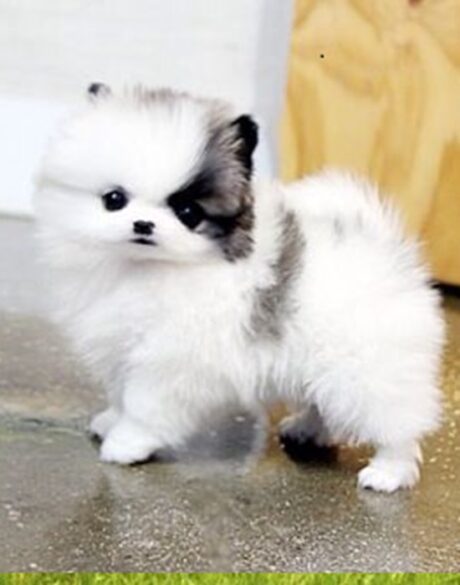
Shopping Pomeranian puppies should feel simple and safe. Here is how pricing typically works, what you can expect to be included, and how to move from “I like that one” to a secure reservation without stress. For context on 2025 market ranges, compare with this clear guide on how much Pomeranians cost by breeder quality and lineage.
What Pomeranian options typically include
Most listings focus on pet-quality puppies in classic colors, with an occasional show-leaning prospect. You will see small size expectations, usually 3 to 7 pounds as adults. Exact adult weight is never guaranteed, and ethical sellers avoid “micro” claims.
Typical inclusions:
- Age-appropriate vaccines and deworming with dates
- Recent vet check and a simple health report
- Microchip and basic registration info
- Starter food and a written care sheet
- A clear contract with a health guarantee
Nice-to-haves:
- Puppy socialization notes and feeding schedule
- A blanket or toy with litter scent
- Lifetime take-back promise
Pomeranian price range and what affects it
Price depends on pedigree, color, size expectations, and breeder reputation. In 2025, many buyers see this range when comparing pet-quality puppies from careful programs. Use this table as a quick reference when you review listings.
| Puppy type or factor | Typical 2025 range | Why it varies |
|---|---|---|
| Pet-quality Pomeranian | $1,000–$3,500 | Health checks, care, and transparency |
| Show-leaning or rare color | $3,500–$7,500+ | Pedigree, structure, and limited availability |
| Very tiny size marketing | Avoid | Higher health risk, not a true category |
Prices outside these bands may reflect location, proven show lines, or seasonal demand. For a second benchmark, see this current snapshot of the Pomeranian price range in 2025.
Key price drivers:
- Pedigree and structure quality
- Rare or trending colors
- Local demand and travel costs
- Included services, such as microchip and starter kit
How to reserve your puppy without risk
Move step by step. You should feel informed at each point.
- Ask for a short live video showing the puppy and today’s date on paper.
- Request vet record photos with exact vaccination dates.
- Read the contract before you send any deposit.
- Use a payment method with buyer protection. Avoid wire transfers and gift cards.
- Get pickup or delivery details in writing, including names and phone numbers.
Pro tip: If you need delivery, choose a trusted flight nanny who hand-carries the puppy. Avoid cargo shipping for toy breeds.
What a fair contract should cover
A clear contract protects both sides and sets expectations.
- Pet vs breeding rights, with limited registration for companions
- Health guarantee terms and timelines
- Vaccination and deworming dates listed
- Return or rehoming policy
- Pickup or delivery plan, plus any transport fees
Read it twice, ask questions, and keep a copy on your phone.
Quick buyer checklist
Use this list while you compare puppies and prices.
- You have a written price, deposit amount, and pickup date
- Vet records match the puppy’s age and vaccine schedule
- Contract is clear on health guarantee and return policy
- Microchip and care instructions are included
- Payment method includes buyer protection
- A first vet visit is scheduled within 72 hours of pickup
A steady, step-by-step approach keeps your purchase safe and transparent, and helps you focus on what matters most, a healthy, happy Pomeranian that fits your home.
Conclusion
Pomeranian puppies for sale are easy to love, and even easier to spoil. The smart move is to slow down, choose a reputable breeder, and plan for the real costs. You now know the price ranges, the health checks that matter, and the early care that keeps a Pom thriving. Your goal is simple, bring home a healthy pup, set good habits, and build a calm routine from day one.
Take these next steps without rushing. Research your shortlist, interview sellers, meet the puppy by video or in person, review the entire contract, prepare your home with a safe pen and basics, and schedule a vet visit within 72 hours. Lock in daily brushing, gentle handling, and quick, upbeat training sessions. Keep your budget steady with supplies, insurance, and a small emergency fund. Protect that tiny trachea with a harness, keep meals on time, and reward quiet.
When you act with care and clarity, you get the best of this breed, sparkle, smarts, and steady companionship. Here is to finding a healthy, happy Pom that fits your life.
