
Grey Frenchie Guide (Color, Cost, Health & Everyday Life)
A tiny tank-shaped body, big bat ears, wide round eyes, and a soft smoky coat that looks almost like storm clouds. That is the charm of a grey Frenchie.
A grey Frenchie is simply a French Bulldog with a gray or blue gray coat. Many people and breeders call them “blue Frenchies,” but it is the same idea, just different words for the color. They have the same stocky build, wrinkled face, and clown-like personality as any other French Bulldog.
This guide walks through what makes grey Frenchies special, how rare they are, their personality, health and care needs, real 2025 pricing, and how to decide if this dog truly fits your life. The goal is to help you fall in love with the right dog, not just the prettiest color.
What Is A Grey Frenchie And Why Is This Color So Popular?
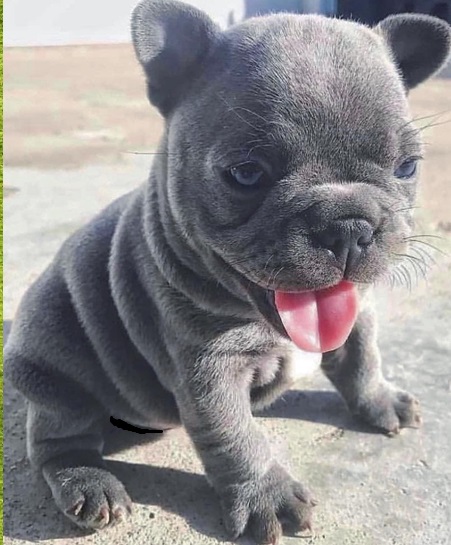
A grey Frenchie is a purebred French Bulldog with a coat that looks blue gray, silver, or charcoal. The color comes from a dilution gene that lightens black pigment into that cool, smoky shade. In strong sunlight, the coat can look almost bluish.
Breeders and owners often call these dogs “blue French Bulldogs.” In most cases, “blue” and “grey” Frenchie mean the same thing. You might also see related color names like “blue and tan,” “blue fawn,” or “lilac,” which mix the dilute gene with other color genes. A helpful overview of standard vs non standard French Bulldog colors is in this French Bulldog colors guide.
So why are grey Frenchies so popular?
- The color looks unusual and “fancy” compared to common shades like fawn or brindle.
- Social media posts of blue or grey Frenchies get a lot of attention, which drives demand.
- Rarity and demand often mean higher prices, which makes the color feel “exclusive.”
It is important to remember that even if the color is rare, a grey Frenchie is still just a French Bulldog. The same breed, same personality type, and same potential health issues. The color does not make the dog healthier or more fragile by itself, though poor breeding for color alone can create problems.
Color should be the last box you check, not the first.
Grey Frenchie coat colors explained (blue, silver, charcoal)
Grey Frenchies do not all look the same. Their coats can range from:
- Light silver that almost looks like soft dove gray
- Blue grey that shows a cool, steel tone in the sun
- Dark charcoal that is close to gunmetal black, but still has a smoky cast
People often use “blue Frenchie” for this whole range. A “blue” Frenchie is not actually bright blue like a cartoon, it is a dilute black that the eye reads as bluish gray.
You do not need to memorize genetics to understand this. All you really need to know is:
- The grey color comes from a dilute gene that both parents must carry.
- It changes the shade of the coat, not the body type or personality.
- Grey Frenchies are still sturdy, small, muscular dogs with the classic “Frenchie” look.
Some breeders focus heavily on producing rare colors like blue, lilac, or merle. When you research breeders, look for people who put health and temperament first, and color second.
Are grey Frenchies rare compared to other French Bulldog colors?
Yes, grey Frenchies are less common than standard colors like:
- Fawn
- Cream
- Brindle
- Pied (white with patches)
Because fewer dogs carry the dilute gene, fewer grey puppies are born. That rarity, paired with high demand, is a big reason why grey Frenchies usually cost more.
There is another twist. The American Kennel Club (AKC) does not list blue or grey as a standard color for French Bulldogs. Resources like this French Bulldog color overview explain how some colors are considered “fad” shades by breed clubs.
What does this mean for you?
- A grey Frenchie usually cannot compete in AKC conformation shows.
- It does not make the dog bad quality as a pet.
- Lack of standard recognition is mostly a concern for people who want to show or breed.
If you only want a loving companion, the color label from a kennel club does not change how much your dog can mean to your family.
Grey Frenchie vs other Frenchies: what is actually different?
On paper and in real life, a grey Frenchie and a fawn Frenchie are the same breed.
They share:
- Similar height and weight
- The same compact, muscular build
- The same brachycephalic (flat) face shape
- The same typical Frenchie personality: silly, people oriented, and affectionate
What truly changes from Frenchie to Frenchie is:
- The quality of breeding
- The health history of the parents
- How the puppy is raised and socialized
- The daily care the dog receives
Color is only paint on the outside. A “special” coat cannot fix breathing issues, skeletal problems, or poor social skills.
If you want a deeper look at how breeders talk about blue and tan or grey and tan dogs, check out this example of a blue and tan French Bulldog description. Use this kind of info as education, not just as an online shopping catalog.
Grey Frenchie Personality, Exercise Needs, And Home Life
Daily life with a grey Frenchie looks almost the same as life with any other French Bulldog. Picture a small roommate who follows you from room to room and thinks every sofa is their personal throne.
Typical grey Frenchie temperament: loving, funny, and a little stubborn
Frenchies, including grey ones, are known for:
- Affection: They love to be close to their people and often nap in your lap.
- Clown-like energy: Many owners describe them as little comedians with big personalities.
- Stubborn streak: They can pretend not to hear you when they do not like the plan.
With good socialization, Frenchies usually do well with kids and other pets. They are not guard dogs, but they can be alert and will let you know when someone is at the door.
Because they bond so strongly, they often hate long hours alone. If left alone day after day, some dogs may bark, chew, or become anxious. Crate training, toys, and short training sessions can help, but they still do best with humans around most of the day.
Is a grey Frenchie good for families, apartments, and busy people?
Grey Frenchies can fit into many types of homes:
- Apartments and city life: Their small size and moderate exercise needs are a great match.
- Families with kids: Many are patient playmates, as long as children handle them gently.
- Singles or couples: They thrive as “shadow” dogs for people who work from home.
- Seniors: Their lower exercise needs and loyal nature can be a nice fit.
They do best with:
- A mostly indoor life with access to soft places to rest
- Daily short walks and play sessions
- Owners who can commit some time each day to affection and training
They are not ideal for people who want a running partner or a dog for long hiking trips. Their flat faces make heavy, sustained exercise risky.
If you want to see what different grey puppies can be like, you can browse Grey Frenchie puppies to compare sizes, markings, and basic temperaments described by breeders.
Exercise and mental stimulation: how much does a grey Frenchie really need?
Compared to active breeds, a grey Frenchie is fairly low maintenance. They still need daily movement and mental work, but not in huge amounts.
A good basic plan:
- 1 to 2 short walks per day, about 10 to 20 minutes each
- Short indoor play sessions with toys
- A few minutes of simple training, like “sit,” “stay,” or “touch”
Because of their flat faces, they can overheat quickly, especially in hot or humid weather. Watch for heavy, harsh panting, slowing down, or wobbling, and end the activity if you see these signs.
Good low impact ideas include:
- Tug toys or soft fetch in a hallway
- Puzzle feeders for meals
- Simple scent games, like hiding treats around the room
Think “short and fun,” not “marathon.”
Health, Grooming, And Daily Care Tips For A Healthy Grey Frenchie
French Bulldogs are adorable, but they are not low risk dogs. Anyone thinking about a grey Frenchie should plan for extra health care and set aside money for vet bills or pet insurance.
Common health issues in grey Frenchies you should know about
Grey Frenchies share the same main health risks as other French Bulldogs. Color alone does not protect or doom them, but breeding for rare color over health can make problems more common.
Key issues include:
- Breathing problems (brachycephalic syndrome): Narrow nostrils, long soft palate, and small airways make it hard to breathe, especially in heat or during exercise.
- Heat sensitivity: They can overheat faster than many other breeds.
- Spine and joint issues: Conditions like intervertebral disc disease (IVDD) and hip or knee problems are fairly common.
- Skin and wrinkle infections: Moisture and bacteria can get trapped between skin folds.
- Ear and eye problems: Ear infections and issues like cherry eye may appear.
- Allergies: Food and environmental allergies can cause itching and belly or paw irritation.
Dilute colors like blue or grey can also be linked to color dilution alopecia (CDA), which causes patchy hair loss and skin irritation in some dogs. Not every grey Frenchie will get this, but it is something to ask about when you speak with breeders. You can learn more general Frenchie health risks from this French Bulldog health issue overview.
Because of all this, many owners choose pet insurance or keep a dedicated savings fund for medical care.
Grooming and skin care: keeping that grey coat and wrinkles clean
The good news is that grooming a grey Frenchie is pretty simple if you keep a routine.
Basic grooming tips:
- Brushing: Once or twice a week with a soft brush to remove loose hair and keep the coat shiny.
- Wrinkle care: Gently clean and completely dry facial folds, tail folds, and any deep wrinkles a few times per week, or daily if needed.
- Nail trims: Every 3 to 4 weeks, or as soon as nails click on the floor.
- Ear cleaning: Wipe ears with a vet approved cleaner when you see wax build up.
- Teeth brushing: Several times a week to reduce dental disease and bad breath.
Watch for:
- Red or raw skin in wrinkles
- A strong odor from folds or ears
- Constant scratching, face rubbing, or licking paws
- Bald spots or thin, dull hair
If you see those signs, call your vet. Many issues get much easier and cheaper to treat when you catch them early.
Safe exercise, diet, and temperature control for a grey Frenchie
Food and exercise choices have a huge effect on a Frenchie’s long term health.
Diet tips:
- Feed a high quality dog food that is right for age and size.
- Measure meals to prevent obesity, since extra weight adds stress on joints and breathing.
- Use safe treats in small amounts, or swap part of the meal for treats during training.
Exercise safety:
- Avoid heavy running or long bike rides.
- In warm weather, walk early in the morning or later in the evening.
- Stop activity at the first signs of heavy, noisy breathing, slowing down, or wobbling.
Temperature control:
- Keep your dog indoors in very hot or very cold weather.
- Never leave a Frenchie in a parked car, even “for a minute.”
- Use fans, cooling mats, or a damp cloth in summer.
- Use a sweater or jacket for winter walks, especially in cold climates.
A clear guide to safe activity and care for blue Frenchies is in this blue French Bulldog complete guide, which also talks about their unique health risks.
How often should a grey Frenchie see the vet?
Routine vet care makes a big difference in how long and how comfortably your Frenchie lives.
General guideline:
- Puppies: Visits every 3 to 4 weeks until vaccine series is complete.
- Healthy adults: At least once a year for a physical exam, vaccines, and screening tests.
- Seniors: Often twice a year to monitor for age related changes.
At checkups, speak with your vet about:
- Vaccines and titer options
- Heartworm, flea, and tick prevention
- Dental cleanings
- Any breathing, eye, or skin concerns
- Whether your dog may benefit from surgeries like nostril widening or palate shortening
If possible, choose a vet who has experience with brachycephalic breeds. Ask direct questions about long term quality of life, not just “Can this be fixed?”
Cost, Breeders, And Deciding If A Grey Frenchie Is Right For You
Money is a major factor with this breed. Between purchase price and health care, a grey Frenchie is a serious investment.
How much does a grey Frenchie cost in 2025?
In 2025, grey or “blue” Frenchie puppies from reputable breeders often cost around $4,000 to $6,500, and sometimes more. Some price lists, like this Frenchie dog price breakdown for 2025, show blue or grey Frenchies in the $5,000 to $6,500 range, which matches current trends.
By comparison, many standard color Frenchies cost less. Guides to overall French Bulldog costs, such as this French Bulldog cost 2025 overview, show typical ranges of about $2,400 to $5,500 for most colors.
Price changes based on:
- Breeder reputation and health testing
- Pedigree and show titles in the lines
- Color and pattern (blue and tan or merle usually cost more)
- Location and demand in your area
- Gender, with many breeders charging more for females
Do not forget ongoing costs:
- Food and treats
- Routine vet care and vaccines
- Emergency or specialist visits
- Pet insurance
- Grooming supplies and toys
Over a Frenchie’s lifetime, vet care can easily cost more than the purchase price. Planning ahead helps prevent painful choices later.
Finding a responsible grey Frenchie breeder or rescue
A good breeder is more than a person with cute puppies and a website.
Look for breeders who:
- Health test their parent dogs and are happy to show results
- Talk openly about breed risks, including brachycephalic issues and possible skin problems
- Invite you to meet puppies and parents when possible
- Use a clear contract, health guarantee, and return policy
- Ask you many questions to see if you are a good match
Be cautious of:
- Huge lists of “rare” colors with no mention of health
- No proof of testing, vague answers, or pressure to pay fast
- Very low prices or constant “discount” offers
If you want to see how a breeder selling grey Frenchies presents health, contracts, and shipping, you can review a Grey Frenchie puppy listing to compare what information is provided.
Also consider adoption. Some rescues and shelters take in French Bulldogs, including blue or grey ones. It might take time and patience, but adopting can be a great fit, especially if you prefer an adult dog over a puppy.
Pros and cons of owning a grey Frenchie
Before you decide, it helps to see the big picture side by side.
Pros:
- Unique, eye catching coat color
- Deep bond with owners, often very cuddly
- Great for apartments and smaller homes
- Lower exercise needs compared to many breeds
- Often friendly with kids and other pets
Cons:
- High purchase price for grey color
- Likely higher vet costs over the dog’s life
- Breathing and heat issues, limited tolerance for heavy exercise
- Can be stubborn and slow to house train
- Not ideal for very active outdoor lifestyles or homes that are empty all day
Try this simple question: if a healthy, happy Frenchie puppy in a common color cost half as much as a grey Frenchie, which would you pick? Your honest answer says a lot about your priorities.
Recommended Google Searches for Grey Frenchie by Buyers
Here are some helpful search ideas you can use as you keep researching:
- “grey Frenchie health problems”
- “blue French Bulldog color dilution alopecia”
- “French Bulldog breathing surgery pros and cons”
- “average cost of grey Frenchie puppy 2025”
- “French Bulldog pet insurance reviews”
- “French Bulldog rescue near me”
- “how to cool down a French Bulldog in summer”
- “French Bulldog brachycephalic breed friendly vet”
Use these to compare sources, speak with vets, and build a clear picture before you bring a puppy home.
pottyregisteredpuppies.com offers Grey Frenchie puppies and prices
If you are actively shopping for a puppy, you can see current grey Frenchie puppies and prices on specialist sites like finding grey Frenchie puppies, which outline age, color details, and basic health information.
Sites that focus on Frenchies often:
- List puppies by color, sex, and location
- Share short descriptions of personality or activity level
- Explain shipping or pickup options
- Provide a health guarantee summary and contact info
Use listings as a starting point, not the final word. Always follow up with direct questions about health tests, vet records, parent temperaments, and lifetime support.
Conclusion
A grey Frenchie is a French Bulldog with a blue gray or silver charcoal coat, not a different breed. The color is rare and beautiful, which makes these dogs popular and more expensive, but it does not change their core nature as cuddly, flat faced companions who love their people and need careful health support.
If you decide this is the right dog for you, focus on health and temperament first, color second. Learn about breathing, skin, spine, and allergy issues. Plan for vet care and daily routines like wrinkle cleaning, short walks, and lots of indoor cuddle time. Research ethical breeders or rescues, ask direct questions, and walk away from any seller who puts profit over puppies.
With honest expectations, steady care, and a bit of patience, a grey Frenchie can become a funny, loyal, and unforgettable friend who fills your home with snores, snorts, and a whole lot of love.
