
Parvovirus in French Bulldogs: Symptoms, Treatment, and Prevention.
Parvovirus hits fast and hard. If you have a Frenchie pup, you need a plan. This post breaks down what parvovirus is, why French Bulldogs are at risk, what symptoms to watch for, what vets do, and how to protect your dog at home and in public.
Parvo is a quick-spreading stomach virus that causes vomiting, diarrhea, dehydration, and serious weakness. Puppies are hit hardest. Early action saves lives. If you see severe vomiting, bloody diarrhea, or extreme tiredness, call your vet right now.
Parvovirus and French Bulldogs: Basics, Risks, and How It Spreads
Canine parvovirus, or CPV, attacks the gut and immune system. It spreads through infected stool and anything that touches it, like grass, sidewalks, bowls, crates, bedding, shoes, and hands. The virus is very tough. It can live for months on surfaces, and even longer outdoors in shaded soil.
French Bulldogs face extra risk. Many have sensitive stomachs, puppies are small and lose fluids quickly, and stress from travel or heat can tip a fragile gut into trouble. Unvaccinated or partly vaccinated puppies are the most vulnerable.
The incubation period is usually 3 to 7 days. Dogs can shed the virus and infect others before symptoms show. A tiny amount of contaminated stool can infect a puppy. Routine cleaners may not kill parvo. You need a bleach solution or a vet-grade product labeled for CPV.
For a deeper primer on parvo basics and prevention, the AVMA’s overview of canine parvovirus is reliable and easy to follow. For Frenchie owners, this guide on Canine Parvovirus Risks for French Bulldog Puppies adds breed-specific context.
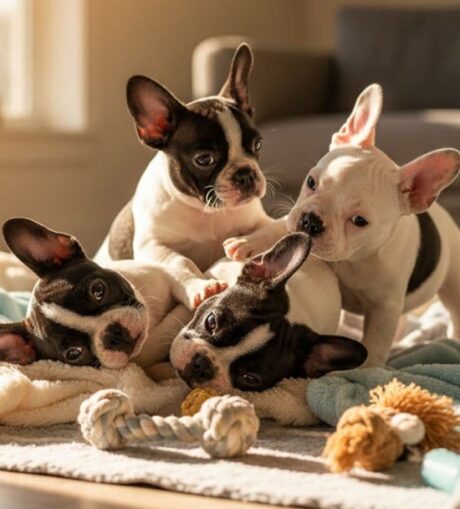
How parvo spreads at home, in yards, and public places
- Shared bowls, crates, bedding, or grooming tables
- Vet waiting rooms, pet stores, training facilities, and sidewalks
- Dog parks, apartment lawns, and communal potty areas
- People’s shoes or hands after contact with infected areas
A smear of infected stool can carry a heavy viral load. That is enough to infect a puppy.
Why French Bulldogs face higher parvo risk
- Sensitive GI tract: Frenchies often have delicate digestion, so early gut symptoms worsen fast.
- Lower fluid reserves: Small puppies dehydrate quickly during vomiting or diarrhea.
- Stress triggers: Travel, heat, rehoming, or boarding can suppress immune defenses.
- Immature immunity: Young pups do not have full protection yet. Unvaccinated or partly vaccinated pups face the highest danger.
Myths and facts about parvo
- Myth: Parvo only happens in dirty places.
Fact: It spreads in clean neighborhoods too, especially on shared ground. - Myth: Adult dogs are safe.
Fact: Unvaccinated adults can get parvo. - Myth: Any cleaner will do.
Fact: Parvo resists many cleaners. Use a 1:30 bleach solution or a disinfectant labeled for parvo, as noted by Cornell’s parvovirus guidance.
Parvo Symptoms in French Bulldogs: Early Signs and When to See the Vet
Parvo often starts mild, then ramps up fast within 12 to 24 hours. Quick vet care boosts survival.
Early signs include low energy, less interest in food, mild vomiting, and soft stool. As the virus attacks the gut, vomiting and diarrhea intensify, often with blood. Dehydration sets in, and puppies become weak.
The bottom line: if your puppy is dropping energy, vomiting, or has diarrhea, especially if there is blood, call your vet. The sooner the better. For a clear medical summary, check PetMD’s guide on causes, symptoms, and treatment for canine parvovirus.
Early signs in French Bulldog puppies
- Low energy or hiding
- Less interest in food or water
- Mild vomiting or soft stool
- Mild fever
- Dry gums or sunken eyes
- Fast heartbeat
- Symptoms often worsen within 12 to 24 hours
Emergency red flags that need a vet now
- Repeated vomiting
- Watery or bloody diarrhea
- Severe lethargy or collapse
- No interest in water
- Pale or white gums
- Belly pain, tense abdomen
- Call ahead so the clinic can isolate your puppy on arrival.
What not to do at home before the vet
- Do not wait it out or try home remedies.
- Do not give over-the-counter meds without vet approval.
- Do not offer food if vomiting is constant.
- Isolate your puppy, wash hands after contact, and choose a separate bathroom spot to reduce spread.
Diagnosis, Treatment, and Recovery: What Frenchie Owners Should Expect
Your vet will confirm parvo, start fluids, control vomiting, and support the gut. With fast care, many puppies recover. Expect honest guidance and close monitoring.
How vets confirm parvo
- A rapid fecal test in the clinic looks for viral antigen.
- Bloodwork checks white blood cells, electrolytes, and hydration.
- Imaging, like X-ray or ultrasound, can rule out a swallowed object or blockage.
Hospital care and day-by-day expectations
- IV fluids restore hydration and correct electrolytes.
- Anti-nausea meds and gut protectants reduce vomiting and inflammation.
- Antibiotics help prevent secondary bacterial infections when gut lining is damaged.
- Strict isolation protects other dogs in the hospital.
- Many puppies improve within 2 to 5 days, though some need longer.
- Some hospitals offer newer therapies, including monoclonal antibody treatment, but supportive care is still the core. For a practical treatment roadmap, AKC’s article on parvovirus in puppies is helpful.
Home care after discharge and recovery timeline
- Feed small, frequent meals as advised by your vet. A bland diet may be suggested.
- Keep fresh water available at all times.
- Provide warmth, calm, and sleep. Limit play.
- Monitor hydration and stool quality each day.
- Avoid public places for at least 2 weeks after full recovery, since shedding can continue for up to 14 days.
Survival rates, costs, and realistic planning
Survival improves with early vet care. Many treated puppies survive. Without treatment, the outlook is poor. Costs vary by severity and length of hospital care. Expect a range from hundreds to several thousand dollars. Pet insurance or an emergency fund can soften the burden. For a Frenchie-focused perspective, see this guide on Parvovirus Prevention for French Bulldog Pups.
Prevention for French Bulldogs: Vaccine Schedule, Cleaning, and Safe Social Time
Parvo prevention rests on three pillars: vaccines, hygiene, and smart social plans. In 2025, some regions are reporting higher activity, and new tools track outbreaks. Stay current, and talk with your vet about local risk and booster timing.
For a strong overview of hygiene and vaccines, the AVMA’s parvo resource covers best practices, and Cornell’s page on transmission to treatment explains why strict cleaning matters.
Parvo vaccine schedule for Frenchie puppies and adults
Follow your vet’s plan. A typical schedule looks like this:
| Age/Stage | Vaccine Timing |
|---|---|
| Start | 6 to 8 weeks |
| Puppy boosters | Every 2 to 4 weeks until at least 16 weeks |
| First adult booster | Around 12 months |
| Ongoing boosters | Every 1 to 3 years, based on vet guidance and local risk |
Avoid high-risk places until 1 to 2 weeks after the final puppy shot. AKC’s advice on parvovirus vaccination timing is a good reference.
Cleaning and disinfecting that actually works
- Remove all solid waste first. Clean off dirt and organic matter.
- Use a bleach solution at 1:30 bleach to water on hard surfaces, with at least 10 minutes of contact time.
- Or use a vet-grade disinfectant labeled for canine parvovirus.
- Wash bowls and toys with hot water. Launder bedding on hot, then dry on high heat.
- For yards, scoop daily, hose areas, and let sunlight help. Still, virus can persist outdoors for months.
- For routine home care tips, this clinic guide on parvovirus prevention and treatment options covers disinfectants and practical steps.
Smart socialization without the parvo risk
- Invite vaccinated, healthy adult dogs to your clean home for controlled play.
- Pick puppy classes that require proof of vaccination.
- Avoid dog parks, pet stores, shared potty areas, and boarding until your puppy is fully vaccinated.
- Carry young puppies in public spaces, and keep them off the ground in busy dog areas.
Outbreak alerts and 2025 tips
Parvo cases have risen in some areas in 2025, with clusters reported in several states. Online outbreak trackers and local alerts can help you avoid hot spots. Ask your vet if your region is seeing higher activity. In high-risk areas, your vet may recommend tighter timing on boosters and stricter social rules. Before travel or boarding, confirm vaccine requirements and isolation policies.
For science-backed prevention guidance, review PetMD’s summary on parvo prevention and care.
Conclusion
Parvo moves fast, and quick vet care saves lives. Vaccines are your best shield, and smart cleaning stops spread. Build a simple plan today.
- Confirm vaccine dates for your Frenchie and set reminders.
- Create a home cleaning routine for bowls, crates, and floors.
- Set rules for safe social time until your puppy is fully vaccinated.
- Save your vet’s number in your phone.
If your puppy shows vomiting, bloody diarrhea, or severe fatigue, act now. Call your vet right away. Your fast action can protect your Frenchie, and it can save a life. Stay calm, stay prepared, and keep your dog safe.
