
Merle French Bulldog Puppy: Price, Health, Costs and Care
Those marbled coats stop you in your tracks. A merle French bulldog puppy has a speckled pattern of light and dark patches, created by the merle gene. That look turns heads, especially on a blue merle French bulldog, and it is a big reason merle Frenchies are trending in 2025 on social media.
Looks are only part of the story. Merle is a color pattern, not a separate breed, and it can come with health risks when bred carelessly. Double merle pairings raise the chance of vision and hearing problems. That is why a responsible breeder matters more than any rare color.
In this guide, you will learn what merle really means, why merle Frenchie demand is rising this year, and what to expect for costs. We will break down common health concerns, simple daily care, and how to spot a responsible breeder with proper testing and clear records. You will also get smart questions to ask before you pay a deposit.
If you are new to Frenchies, start with core care basics, then evaluate color last. For a quick primer on health, temperament, and everyday needs, see this overview: Frenchie Health and Care Essentials. Ready to learn how to choose with your head and your heart? Let’s set you up for a happy, healthy merle Frenchie.
What Is a Merle French Bulldog Puppy? Appearance, Colors, and Temperament
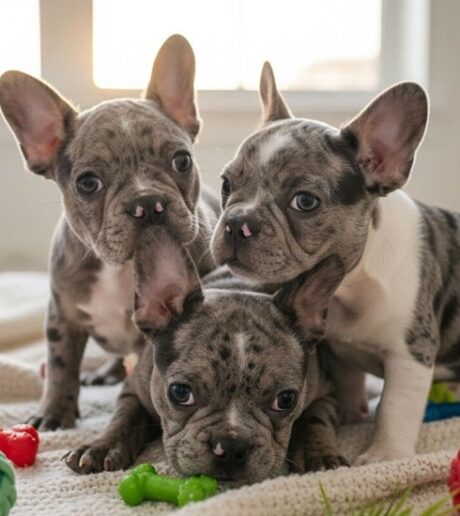
Merle is a color pattern, not a different breed. It creates a mottled or marbled look on the coat, with lighter and darker patches that feel like paint splashes on a canvas. It affects pigment in the hair, skin, and sometimes the eyes, but not the dog’s personality. You get the same charming Frenchie character in a unique coat.
Curious how this look fits into show rules? Major registries list standard colors for breed showing. Merle is not one of them. You can still register a Frenchie, and they can be an amazing companion, but they will not qualify for conformation shows in merle.
For official wording on accepted French Bulldog colors, review the AKC breed standard’s color section in the AKC French Bulldog standard PDF.
Merle coat patterns explained (blue, lilac, fawn, chocolate, isabella)
Merle scatters pigment in unpredictable ways, so no two coats look the same. Expect patches and swirls, with small speckles in some areas and larger pools of color elsewhere. Nose and eye color can vary in merle dogs, and some have one or both blue or partially blue eyes.
Here is what you might see across popular merle types:
- Blue merle: A cool gray base with charcoal patches. Some pups look smoky, others lean silvery, with darker spotting.
- Lilac merle: A pale, soft-toned coat with muted gray-brown patches. The overall look often feels dusty or pastel.
- Fawn merle: Warm tan base with cocoa or gray mottling. The pattern can be soft and subtle or more high contrast.
- Chocolate merle: Rich brown base with lighter milk-chocolate splashes. In some light, patches appear coffee colored.
- Isabella merle: A dilute brown-beige base with gentle taupe patches. Many describe it as creamy or sandy with soft marbling.
Want a deeper primer on what sets merle apart in daily life and care? Explore this overview on an Ethical merle Frenchie breeding guide.
How merle Frenchies compare to standard colors and AKC recognition
Merle is not recognized as a standard color by major kennel clubs like the AKC. That matters if you plan to enter conformation shows, since only standard colors qualify under show rules. Breeding rules and ethics also come into play because responsible breeders avoid risky pairings, such as merle to merle.
For families, this status does not change daily life or love. A merle Frenchie can be as healthy and happy as any French Bulldog when bred with care, given routine vet checks, and raised in a stable home. If showing is not your goal, color is a style choice, not a value judgment.
If you want a quick reference for what counts as standard versus nonstandard, the AKC’s color section is clear in the French Bulldog breed standard.
Temperament and size basics for homes and apartments
Frenchies are affectionate, playful, and people-focused. Many are little comedians, happy to keep you company on the sofa, then pop up for a short burst of fetch. They can be stubborn, so keep training positive, brief, and consistent.
Typical adult weight lands around 16 to 28 pounds, with a compact, sturdy build. Their exercise needs are moderate. Most do well with short walks, playtime, and mental games. This balanced routine suits apartments and smaller homes, as long as they get daily movement and cool rest spots.
Key takeaways:
- Friendly and social, great with families and city living.
- Moderate exercise needs, with care during hot or humid weather.
- Small to medium size makes them easy to manage in tight spaces.
If you are exploring pups available now, browse options near you and compare care notes with real listings: Merle French Bulldog puppies for sale.
Is the Merle Gene Safe? Health Risks, Genetics, and Ethical Breeding
The merle look is striking, but safety comes down to genetics and breeder choices. You can reduce risk with the right pairing, health testing, and honest records. Put health above color, and you will set your puppy up for a good start.
Below is a clear guide to what the merle gene does, what health checks matter most in Frenchies, what is changing in 2025, and how to avoid risky pairings or bad actors.
Merle genetics 101: single merle vs double merle risks
The merle gene changes pigment in the coat and eyes. Dogs inherit one copy from each parent.
- Single merle: One copy of the merle gene (often written as Mm). These dogs show the mottled coat. Most live normal lives when bred responsibly.
- Double merle: Two copies of the merle gene (MM). Risk climbs for hearing loss, eye defects, and vision loss.
Here is a quick snapshot to keep it straight:
| Merle status | Genotype | What it means | Risk level |
|---|---|---|---|
| Non-merle | mm | No merle pattern | Low |
| Single merle | Mm | Merle coat pattern | Moderate |
| Double merle | MM | Heavy pigment loss, high odds of sensory issues | High |
Why the concern? Double merle puppies have a much higher chance of partial or complete deafness, eye abnormalities like microphthalmia, and blindness. Honest breeders avoid merle-to-merle pairings and test dogs before breeding. For a practical overview of screening and pairing ethics, see this guide on Responsible breeding for Merle French Bulldog pups.
Health issues to screen for in Frenchies
French Bulldogs already face breed-wide health pressures. If you are considering a merle Frenchie, tighten up your screening plan. Ask your vet about:
- Hearing checks: A BAER test can confirm each ear hears. Early testing guides training and safety.
- Eye exams: A board-certified ophthalmologist can check for colobomas, cataracts, and retinal issues.
- Airway evaluation: Screen for BOAS, including nostrils, palate, and airway function. Many Frenchies benefit from early management.
- Skin and allergy check: Frenchies can have sensitive skin. Look for signs of itching, hot spots, and ear infections.
- Spine imaging if indicated: Hemivertebrae and other vertebral issues can cause pain or weakness. Your vet may recommend X-rays or advanced imaging.
Plan regular checkups, keep good records, and act fast on early signs. A tight care routine gives you the best chance to catch issues while they are small.
2025 trends and expert guidance on merle breeding
In 2025, more buyers and breeders understand that pairing two merles is high risk. Ethical programs now use DNA color panels, share results, and put pairings in writing. The pattern is popular, but the best breeders put health first.
- Rising transparency: Quality breeders share test results and BAER or eye exam certificates.
- No merle-to-merle pairings: Reputable sources advise against it because of the spike in sensory defects. See this plain-language explainer on Merle French Bulldogs: what you need to know.
- Clear talk on risks: Many breeder education pages outline vision and hearing concerns tied to merle genetics. For a concise overview of common issues, review Are Merle Frenchies prone to health issues?.
Bottom line, genetic testing and honest paperwork are standard in 2025. If a breeder downplays testing, walk away.
How to avoid unethical breeders and risky pairings
A little due diligence protects your future pup. Watch for these red flags:
- No genetic testing or BAER/eye exam records
- No written contract or health guarantee
- Won’t show parents or breeding setup, even via video
- Breeds merle to merle, or refuses to state pairing details
- Pressure to send money fast, limited payment options, “today only” pricing
- Missing or vague vet records and vaccination dates
Before you place a deposit, ask:
- Can I see DNA color testing and the merle status for both parents?
- Do you ever breed merle to merle? If yes, I am not interested.
- Do puppies receive BAER hearing tests and an eye exam by a specialist?
- Who is your veterinarian, and will you share recent visit notes?
- Can I review your contract, health guarantee, and return policy now?
- Will you share clear photos or video of the parents and where puppies are raised?
If a breeder welcomes these questions and shares proof, you are on the right track. For more context on ethics and common pitfalls, read about Ethical breeding practices for Merle Frenchies.
Real Costs of a Merle French Bulldog Puppy in 2025
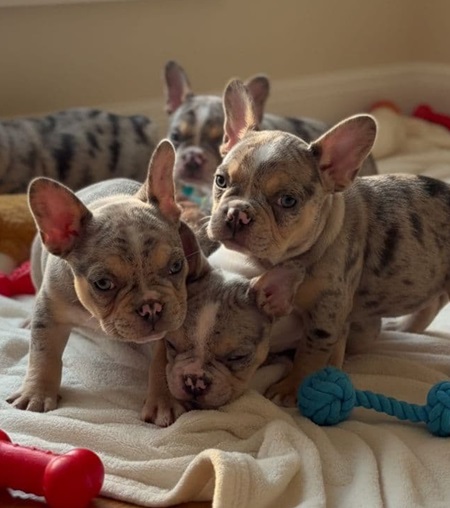
Sticker price is only part of the commitment. Plan for the purchase, then add ongoing care, training, and a cushion for surprise vet bills. Here is what a realistic 2025 budget looks like for a merle Frenchie.
Purchase price ranges and what drives cost
Most buyers in 2025 pay about $4,500 to $6,000 for a merle French Bulldog from a responsible program. Exceptional coats, fluffy coats, or champion lines can climb higher. Standard color Frenchies often cost less, so the merle premium comes from rarity and demand.
What pushes the number up or down:
- Pedigree and titles: Strong lines, tracked health history, and show or sport titles raise value.
- Health testing: DNA color status, BAER hearing, eye exams, and BOAS evaluations add real costs.
- Breeder reputation: Transparent records, vet partnerships, and a clear contract cost more but protect you.
- Color rarity: Lilac, isabella, and well-defined, high-contrast merle patterns sit higher on price grids.
- Geography and demand: Large metro areas often price higher.
Extreme low prices are a red flag. They can signal poor screening, risky pairings, or no aftercare. For a price overview of Frenchies generally, see this 2025 guide on how much a French Bulldog costs. If you compare listings, review health records first, not just the tag. You can also scan local availability and ask detailed questions using these Merle French Bulldog pricing details.
Hidden costs: insurance, vet visits, and gear
Plan your monthly budget before pickup. A simple target of $150 to $300 per month keeps you prepared for routine needs, with a separate emergency fund.
Common ongoing costs:
- Vaccines and wellness exams: Annual exams, core vaccines, fecal tests, and preventives.
- Insurance premiums: Enroll early to lock in lower rates and protect against big surprises.
- Emergency fund: Aim for $1,000 to $2,000 set aside, since Frenchies can face airway or GI issues.
- Quality diet: High-quality kibble or vet-guided fresh food, sized for a 16 to 28 pound adult.
- Training: Puppy classes now reduce behavior costs later, and boost safety.
- Crate and basics: A sturdy crate, flat harness, ID tags, and a few durable toys.
- Cooling gear: Cooling mat or vest, plus fans for hot months to reduce heat stress.
- Grooming tools: Soft brush, gentle shampoo, ear cleaner, and wrinkle wipes.
- Possible care extras: BOAS assessment, allergy care, or skin treatments if needed.
Example monthly snapshot: food $60 to $120, insurance $40 to $90, preventives and routine care averaged monthly $30 to $60.
Budgeting tips to afford care without cutting corners
- Set up an auto-transfer savings fund: Move $50 to $100 monthly to a pet-only account.
- Choose insurance early: Enroll at 8 to 12 weeks to avoid exclusions and higher premiums.
- Buy quality basics once: A solid crate, a safe flat harness, and durable bowls save money over time.
- Invest in training that prevents problems: Teach calm alone time, polite leash skills, and safe greetings.
- Keep weight in the healthy range: Slim Frenchies breathe, move, and recover better, and you spend less at the vet.
Small, steady habits beat big, one-time cuts. Build your plan now so you can enjoy your pup without money stress.
Daily Care Guide: Grooming, Exercise, Training, and Diet
A steady routine keeps a merle Frenchie healthy and easy to live with. Use this simple daily plan, then dive into the details below.
- Morning: potty break, short walk, breakfast, quick wrinkle and eye wipe.
- Midday: indoor play or puzzle toy, water check, potty break.
- Evening: short walk, dinner, calm training reps, ear check, wrinkle wipe.
- Weekly: brush coat, nail trim or touch-up, full ear clean, bath as needed.
Grooming and skin fold care to prevent infections
Frenchies have short coats, but their wrinkles need attention. Aim for a quick brush once or twice a week with a soft bristle or rubber curry brush. This lifts loose hair and spreads skin oils so the coat stays shiny.
Skin folds trap moisture and debris. Clean the nose rope, chin, and tail pocket daily or every other day. Use vet-approved, fragrance-free wipes or a soft cotton pad with a gentle cleanser. After baths, pat every fold dry, then let your pup air dry in a cool room. Residual moisture invites yeast.
Add these essentials:
- Ear care: check ears twice a week. If you see wax or smell odor, use a dog ear cleaner. Fill the canal as directed, massage the base, let your pup shake, then wipe the outer ear.
- Nails: trim weekly or every two weeks. If nails click on floors, they are too long. Use a grinder for small, safe passes.
- Shampoo: bathe every 3 to 6 weeks with a mild, hypoallergenic formula. Rinse well, then dry folds carefully.
Watch for redness, swelling, brown discharge, or a yeasty smell. If irritation appears, book your vet. For step-by-step tools and timing, see these French Bulldog puppy grooming essentials.
Safe exercise for a brachycephalic breed
Frenchies overheat and tire faster due to their short noses. Keep sessions short, frequent, and cool.
- Walks: 10 to 15 minutes, 1 to 3 times daily. Choose shade, early mornings, or evenings.
- Indoors: tug with rules, fetch down a hallway, or nose games in a cool room.
- Mental work: rotate puzzle feeders, snuffle mats, and simple scent finds to burn energy without stressing breathing.
Guardrails that protect your pup:
- Avoid heat, high humidity, midday sun, and dark asphalt. Carry water.
- Use a flat harness, not a collar, to reduce airway strain.
- Skip running, biking, long fetch marathons, and rough wrestling with bigger dogs.
- Stop at the first sign of heavy panting, glazed eyes, or lagging behind.
For a broader care snapshot, this overview on The Ultimate French Bulldog Care Guide explains why low-impact routines fit flat-faced breeds.
Training and socialization basics for a well-mannered pup
Keep it short, upbeat, and consistent. You will get farther with five minutes twice a day than with one long session.
- Crate training: make the crate a safe den. Feed meals inside, give a chew, and close the door for short rests. Open the door before whining starts, so quiet earns freedom.
- Potty routine: out first thing, after meals, after naps, and before bed. Take the same path to the same spot. Praise and treat right after success.
- Positive reinforcement: reward calm sits, downs, and name response. Mark the behavior with “yes,” then treat.
- Short sessions: 3 to 5 minutes, several times a day. End on a win.
- Early socialization: pair new sights, sounds, and gentle handling with treats. Arrange calm meetups with vaccinated, friendly dogs and kind people. Skip crowded dog parks until your puppy is confident and fully vaccinated.
Aim for simple goals each week, like “relax in the crate for 10 minutes” or “sit before going outside.” Consistency beats intensity every time. For more breed-specific tips, this piece on 7 Care Tips for Keeping Your Merle French Bulldog adds practical reminders for daily manners and safety.
Feeding a merle Frenchie: weight control and sensitivities
Frenchies do best with measured meals and a lean body. Set two to three mealtimes for puppies, then shift to twice daily in adulthood. Use the bag’s chart as a starting point, then adjust every 1 to 2 weeks based on body condition.
Quick portion and weight checks:
- Rib test: you should feel ribs under a thin fat layer, not see them.
- Waist check: view from above for a slight waist, and from the side for a tummy tuck.
- Scale: track weight weekly as a pup, monthly as an adult.
Helpful habits:
- Measure with a scoop, not by eye.
- Use part of meals as training treats to avoid extra calories.
- Pick a complete and balanced food that lists meat as the first ingredient. Ask your vet about options for sensitive skin or stomachs, since Frenchies can react to common proteins or grains.
- If you see frequent ear infections, itch, soft stool, or gas, discuss a diet trial with your vet. An elimination plan or hydrolyzed diet can pinpoint triggers.
Hydration matters. Keep fresh water available, and slow down fast eaters with a slow-feeder bowl. A steady plan keeps weight in check, which helps breathing, joints, and long-term health.
How To Find a Healthy, Well-Bred Merle Frenchie Puppy
Slow down before you fall for a pretty coat. A safe merle Frenchie comes from smart pairing, health tests, and a breeder who treats you like a partner. Use this step-by-step path to vet sources, confirm paperwork, and protect your deposit. Patience now saves money, stress, and heartache later.
Breeder checklist and questions to ask on your first call
Start with a quick screen. You should hear clear, confident answers and get proof in writing.
- Genetic testing policy: Ask for DNA color testing and the merle status for each parent. Confirm they do not breed merle to merle. For a simple overview of why that matters, review this guide on genetics and care of merle Frenchies.
- Pairing choices that avoid double merle: Expect merle to non-merle pairings only, with results documented.
- Health history of parents: Request vet summaries, past surgeries, and any known airway, eye, hearing, spine, or allergy issues.
- Early socialization: Puppies should be raised indoors around normal household sounds, handled daily, and started on potty and crate basics.
- Vet care schedule: Get dates for exams, deworming, vaccines, and planned BAER and eye checks.
- Return policy: A real program takes dogs back for life and outlines how that works.
Helpful questions:
- What tests have both parents had, and will you share reports?
- Do you perform BAER hearing and a certified eye exam on pups?
- When can I review your contract, health guarantee, and vet records?
- Can I see the living space by video or in person before a deposit?
Health tests, contracts, and what paperwork to see
Ask to review documents before you send money. Set a 24 to 48 hour window to read everything.
- Health tests to request:
- BAER hearing test for each ear, with a report tied to the microchip.
- Eye exam by a board-certified ophthalmologist, often noted as CAER, with findings.
- Airway evaluation for brachycephalic issues, including nares, palate, and breathing notes.
- Optional spine imaging if there is a concern or a history in the line.
- Routine medical records:
- Vaccine dates and lot numbers, deworming schedule, and fecal test results.
- Exam notes from a licensed veterinarian, with the clinic name and contact.
- Paperwork to see and keep:
- Purchase contract and health guarantee with clear terms.
- Microchip number, registration details, and parent info.
- Registration eligibility and pedigree if offered.
A fair contract is simple to understand and covers both sides. It should include the guarantee length, conditions covered, your first vet visit timeline, what happens if a defect is found, and a lifetime return policy. The French Bulldog Club of America buyer checklist outlines standard items you should receive, like a contract, health records, permanent ID, and clear registration status.
What a fair health guarantee covers:
- Time-bound infectious disease window, such as 7 to 14 days.
- Genetic defects coverage for 1 to 2 years.
- Remedies listed, such as refund or replacement, without forcing you to return a bonded dog when humane care is ongoing.
- Reasonable buyer duties, like timely vet exam and proper care.
Adoption and rescue options if you are open to older dogs
If you prefer known temperament and fewer puppy messes, consider rescue. Breed groups place young adults and seniors, many already vetted and trained.
Benefits:
- Predictable personality: Foster notes tell you how the dog does with kids, pets, and routines.
- Easier schedule: Many are housebroken, crate trained, and past teething.
- Lower upfront cost: Adoption fees often include spay or neuter, vaccines, and microchip.
Start with respected groups:
- Browse the French Bulldog Rescue Network for current dogs, medical notes, and guidance on care needs.
- For mixed brachy breeds, see SNORT Rescue, which places Frenchies and other short-nosed dogs.
Be patient with waitlists and home checks. A good match is worth the time.
Red flags that signal you should walk away
Trust your gut. If any of these pop up, move on.
- Refuses to meet in person or by live video.
- Will not share vet records, test reports, or the clinic contact.
- Admits or hints at merle-to-merle pairings.
- Has no questions for you about home, schedule, or experience.
- Pushes a fast deposit, limited payment channels, or “last puppy, act now” pressure.
- Puppies or parents look sick, dirty, or stressed. Housing is cramped or smells bad.
- No written contract, no health guarantee, or a “sold as is” bill of sale.
Take your time. Ask for documents first, then place a deposit only when every box is checked. Your future Frenchie will thank you.
Recommended Google Searches for merle Frenchie puppy by Buyers

Targeted searches help you filter hype and find facts fast. Use the queries below to uncover health essentials, vet breeders, compare real prices, and prep for daily care. Type them exactly as shown, then scan results from vets, clubs, and long-running breeder sites before you look at listings.
Health and genetics searches to start with
Health comes first. These queries put you in control of the basics so you can ask smarter questions.
- “merle French bulldog health risks 2025”
- “double merle risks French bulldog”
- “BAER test French bulldog puppy what is it”
- “French bulldog CAER eye exam merle”
- “safe breeding merle to non merle Frenchie”
Why these help:
- You will learn why breeders avoid merle to merle, and which tests protect puppies.
- You will see what documents to ask for, like BAER results and eye exam forms.
Helpful read for context: a plain-language overview of risks in Merle French Bulldogs: what you need to know.
Breeder vetting and red flag searches
Trustworthy breeders welcome proof-based questions. Use these queries to sort the good from the risky.
- “ethical merle French bulldog breeders 2025”
- “French bulldog breeder red flags contract health guarantee”
- “are merle Frenchie breeders reputable reviews”
- “merle French bulldog breeder transparency DNA testing”
What to look for in results:
- DNA color testing on both parents, no merle-to-merle pairings, BAER and eye exam records.
- Clear contracts and a real return policy.
- Videos of the parents and the raising environment.
For a baseline of what ethical programs cover, see this practical guide to merle French bulldog for sale.
Price and budgeting searches that save you money
Merle pups often cost more. Get a feel for normal ranges and what drives the number up or down.
- “merle French bulldog puppy price 2025”
- “French bulldog first year cost breakdown”
- “pet insurance cost for French bulldog 2025”
- “lilac merle vs blue merle Frenchie price difference”
Use these to compare:
- Testing, pedigree, and location influence price.
- Low prices can signal missing health work or pressure sales.
For a current snapshot on pricing, scan this page on Merle French Bulldog for sale.
Care, training, and daily life searches
Prep for real life with a merle Frenchie. These queries cover grooming, heat safety, and training basics.
- “French bulldog wrinkle care routine”
- “BAER-tested puppy training tips”
- “French bulldog safe exercise hot weather”
- “best food for French bulldog sensitive skin”
Quick wins you will find:
- Short, cool walks and puzzle play beat long, hot outings.
- Gentle wrinkle care prevents yeast and irritation.
- Positive, short training sessions work best for Frenchies.
If you are comparing real pups, this listing can help you practice your screening approach: Blue Merle Fluffy French Bulldog Puppy Logan.
Scam and pressure-sale checks
A few searches can catch problems before you spend a dollar.
- “is [breeder name] a scam French bulldog”
- “complaints [breeder kennel] French bulldog”
- “merle Frenchie deposit scam warning”
- “French bulldog puppy transport scam how to spot”
Red flags you will often see called out:
- No BAER or eye exam records, vague vet care, or no contract.
- Urgent deposit requests or cash-only rules.
- Refusal to share videos or do a live call.
Community threads can also surface buyer experiences, good and bad. You can scan real conversations like Looking at buying Merle, undervalued?.
How to use these searches like a pro
A little structure turns random Googling into a clear plan.
- Start with health terms for 30 minutes. Save two or three trusted sources.
- Search breeder vetting next. Make a checklist from what you learn.
- Compare prices last. Note what adds value, like BAER and eye exams.
Smart habits:
- Add your city or state to find local options, like “merle Frenchie breeder Austin.”
- Use site filters. Example: add “site:akc.org” to target breed standards and official guidance.
- Keep a notes file with your top links, questions, and breeder names.
With focused searches, you will cut noise, spot real quality, and feel calm during calls and visits. When in doubt, pause, verify, and move only when the records match the claims.
pottyregisteredpuppies.com offers merle Frenchie puppy for sale and prices
If you are shopping for a merle French Bulldog in 2025, pottyregisteredpuppies.com lists merle pups, including fluffy and standard coats, with clear product pages, contact info, and shipping details. Use each listing as a starting point, then confirm health tests, contract terms, and what the price includes before you reserve.
What you will find on pottyregisteredpuppies.com
Listings highlight color, age, availability, and pricing with direct contact options. You can browse both standard and fluffy merle Frenchies, then follow up for vet records and transport.
Helpful pages to review:
- Compare options and coat types, including fluffy merles, on this listing: Merle Fluffy Frenchie Puppies for Sale.
- View an example price listing with contact details on: Merle French Bulldog puppies.
Tip for buyers: ask for BAER hearing tests, eye exams, and DNA color status on both parents. You will get a better sense of value and long-term health.
Prices and what affects them in 2025
Merle French Bulldog pricing varies based on color rarity, coat type, pedigree, and breeder care. Across the wider market in 2025, most merle Frenchie prices fall in the mid four figures, with rare shades at the top of the range. Reputable sources note that merles often sit around the 4,450 to 6,290 dollar range, with lilac and isabella merle trending higher. See the current overview in this guide on Merle French Bulldog prices. For a broader snapshot of Frenchie pricing by color and pedigree for 2025, review this price explainer, How Much Is a French Bulldog in 2025?.
Here is a quick way to size up price versus value:
| Factor | Why it changes price | What to verify |
|---|---|---|
| Color and pattern | Lilac and isabella merle are rarer | Color DNA report and photos in natural light |
| Coat type | Fluffy merle often priced higher | Coat genetics and parent photos |
| Health testing | BAER, eye exams, airway assessments add costs | Copies of test results with microchip ID |
| Pedigree | Documented lines and titles can add value | Pedigree records and breeder references |
| Inclusions | Travel, starter kit, training support | Itemized inclusions on the invoice |
If you see a price far below market averages, slow down and confirm testing and paperwork. Low prices can hide missing health work or a lack of support after purchase.
What the site’s listings mean for your budget
Product pages on pottyregisteredpuppies.com show pup-specific details and list prices per puppy. Some pages display promotional or entry-level pricing, while others feature rare coats and premium options. Treat each listing as a single offer. Always request the full breakdown of what is included so you can compare apples to apples.
Ask for:
- Written contract and health guarantee, with timelines and remedies.
- Vaccination and deworming dates tied to the puppy’s microchip.
- BAER hearing results and a recent eye exam summary.
- Parent health notes, especially airway and skin history.
- Transport options, timeline, and total travel cost.
If you have questions about daily care or standard color options as you compare pups, this primer on Frenchie Health and Care Essentials can help you align your budget with real-world needs.
Fluffy merle Frenchies and rare-color pricing
Fluffy merle Frenchies often sit above standard merles. Prices rise with color depth, consistent patterning, and strong parent records. Expect higher tags for lilac merle and isabella merle, along with pups that come with comprehensive testing and hands-on socialization. You can preview what fluffy options look like and how they are presented in listings here: Healthy Fluffy Merle Frenchie Pups with Prices.
Quick signs you are paying for real quality:
- Clear, high-resolution photos and videos in different lighting
- Copies of test results and vet notes, not just claims in text
- A simple, readable contract and a real return policy
- Friendly, prompt answers to health and training questions
How to reserve with confidence
Before you send a deposit, get everything in writing. A short checklist keeps you safe and speeds up your decision.
- Confirm the total price, including sales tax and transport.
- Ask for the puppy’s microchip number and link test results to it.
- Review the contract and health guarantee in full.
- Set your pickup or delivery date and get it on the invoice.
- Schedule your first vet visit within the guarantee window.
If a listing looks right and the paperwork matches, you can move forward with confidence. If anything feels unclear, pause and get answers first.
Conclusion
A merle French bulldog puppy looks stunning, feels like a best friend, and thrives when you put health first. That mix of eye-catching pattern and easygoing charm is why they are so popular right now. The smart path is simple, choose patience, ask for proof, and let responsible breeding guide your decision.
Keep the big picture in view. Color is a style choice, not a shortcut to quality. Single merle pairings with full testing, early vet care, and honest records set your pup up for a safe start. Your routine at home, cool walks, clean skin folds, measured meals, and short, positive training, keeps that momentum going.
Take two clear next steps. Build a written breeder question list that covers DNA color status, BAER hearing, eye exams, contract terms, and a return policy. Then create a realistic first-year budget that includes insurance, routine care, a crate, and a small emergency fund. Both moves give you control and peace of mind.
If you love the merle look and the Frenchie personality, you can have both without gambling on health. Choose the seller who welcomes tough questions, move at your pace, and enjoy bringing home a pup you can trust. Ready to start your list and map your budget today?
