
Teacup Puppies for Sale and Prices (Which Dog Breed is Best)
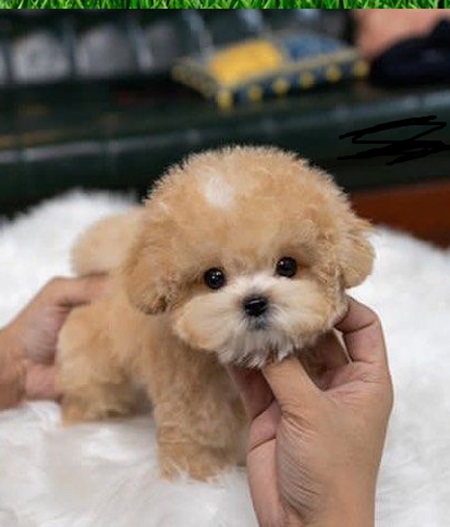
Picture a tiny puppy that fits in your palm, curled up like a fuzzy little cotton ball. The videos, the photos, the idea of carrying your dog in a bag or on your lap all day can feel like a dream.
But that dream comes with a price tag.
Many teacup puppies for sale such as teacup Yorkies, Chihuahuas, Pomeranians, and designer mixes are listed anywhere from about $2,000 to $7,000 or more. That is before you buy food, toys, or pay a single vet bill. Price is only one piece of the decision, and sometimes it is not even the biggest one. ( Teacup Puppies – Yorkie / Poodle / Pomeranian / Maltese )
This guide walks you through what “teacup” really means, how much different breeds usually cost, what hidden health issues can do to your budget, and how to find safer, more ethical options. By the end, you will understand how to tell a fair deal from a risky one and how to pick a small dog that fits both your heart and your wallet.
https://www.youtube.com/watch?v=UCJFf4rpXZc
What Is a Teacup Puppy and Why Are They So Expensive?

When people say “teacup puppy,” they usually mean a very small version of an already tiny breed. These dogs often weigh under 4 pounds as adults, sometimes even less than 3 pounds.
Here is the key point:
“Teacup” is not an official size in major kennel clubs like the AKC. It is a marketing term that breeders and sellers use to describe extra small puppies from toy breeds.
So why do teacup puppies cost so much?
- There is intense demand for tiny “purse-size” dogs.
- Smaller dogs can be harder to breed and raise safely.
- Sellers often label these puppies as “rare” or “micro,” which lets them charge more.
Some teacup puppies are priced higher because they come from show lines or have fancy pedigrees. Others are simply small and cute, and the seller knows people will pay extra for that look.
The combination of high demand, smart marketing, and the idea of owning something rare is what drives prices into the thousands. As you read the rest of this guide, keep in mind that “teacup” describes size, not quality, and a big price tag does not always equal a healthy puppy.
Common teacup breeds people search for
People often search for:
- Teacup Yorkies (tiny Yorkshire Terriers)
- Teacup Chihuahuas
- Teacup Pomeranians
- Teacup Maltipoos (Maltese and Poodle mix)
- Teacup Poodles
- Designer mixes like Morkies, Shorkies, and other “micro” doodle or toy mixes
These are all toy breeds or small mixes that are already small in standard form. Teacup versions are simply the extra small end of those breeds.
How teacup size is created through breeding
Most teacup puppies do not come from a special new breed. Many are produced by breeding very small adults together, often the “runts” of litters.
In simple terms:
- A breeder might pick two tiny dogs out of a line of small dogs.
- They breed those two, hoping for even smaller puppies.
- Over time, this can produce lines that stay very small.
The problem is that very tiny dogs often have more health risks. When breeders focus mainly on size instead of health, issues like weak bones, heart problems, and low blood sugar can become more common.
Not every small puppy is unhealthy, and there are responsible breeders who care about health first. Still, extreme size breeding is risky for the dog, and that risk often shows up later in your vet bills. This is one reason the rest of this post spends so much time on health and long term costs, not only the sale price.

Typical Teacup Puppy Prices in 2025 by Breed
In November 2025, teacup puppy prices vary a lot, but there are some common ranges that show up again and again. These are general averages, not fixed rules, and they shift by region, breeder reputation, and how aggressively a seller markets “micro” sizes.
Many teacup puppies from popular sellers fall somewhere between $2,000 and $7,000. Some can be less, some much more. Sites that focus on tiny dogs, such as PuppySpot’s teacup puppies collection or Premier Pups teacup listings, often show prices in this general range.
Use the ranges below as a guide so you are not shocked by the numbers.
Average price range for teacup Yorkies
Teacup Yorkshire Terriers are among the most popular tiny dogs. In 2025, many teacup Yorkies are listed in the $2,600 to $4,700 range, and some premium puppies can go higher.
What shapes the price:
- Pedigree and bloodlines: Puppies from show or champion lines tend to cost more.
- Breeder reputation: Well known breeders who health test and have long waitlists can charge higher prices.
- Color and coat: Rare colors such as “chocolate,” “parti,” or “merle” may raise the price.
- Weight estimate: Puppies expected to stay under 3 pounds usually cost more than those expected to reach 4 pounds.
A higher price does not always mean better care. Some sellers charge luxury prices but cut corners on health. Always look at health testing, contracts, and reviews, not only the number.
How much do teacup Chihuahuas and Pomeranians cost?
For teacup Chihuahuas, buyers often see prices around $2,000 to $5,000 in 2025. Very tiny “apple head” Chihuahuas listed as 2 to 3 pounds full grown can be near the top of that range or above it.
Teacup Pomeranians tend to run higher overall. Many are listed between $3,000 and $6,800, especially for fluffy “teddy bear” faces and rare colors. Some small Poms from champion lines can even reach five figures.
Why do Pomeranians lean higher?
- They are extremely popular on social media.
- That big, fluffy coat and tiny nose are in high demand.
- Some breeders focus on tiny sizes and “teddy bear” looks, which pulls prices up.
In general, the tiniest puppies cost the most. A seller might offer two Poms from the same litter at different prices, simply because one is estimated to stay smaller as an adult.
Prices for teacup Maltipoos, Poodles, and designer mixes
Teacup Maltipoos, Poodles, and designer mixes often fall into the $2,600 to $6,800+ range in 2025. Mixed breeds like Morkies, Shorkies, or tiny doodles can be priced as high as or even higher than purebred toy dogs.
A few things that increase price:
- Labels like “rare color,” “merle,” “chocolate,” or “phantom”
- Buzzwords such as “micro,” “ultra tiny,” or “premium”
- Heavy marketing and branding around certain lines
Some breeders or brokers present these puppies as luxury items and price them similar to jewelry or handbags. That does not mean the dog is healthier or better trained, so stay focused on what matters most: health, temperament, and clear paperwork.

Why some teacup puppies cost over $6,000
Seeing a tiny puppy listed at $6,000, $8,000, or even more is not rare anymore. Prices that high usually come from a mix of factors:
- Very low estimated adult weight, like 2 to 3 pounds
- Parents with show or champion titles
- Strong breeder brand name or long waitlists
- Extra services like personal delivery, training, or “concierge” support
- Rare color or coat pattern
There is also a darker side. Some sellers mark prices way up simply because people will pay for the word “teacup.” A fancy ad does not protect you from poor breeding or hidden health problems.
When you see a very high price, slow down and ask questions. Look for proof of health testing, real reviews, and written contracts. A healthy $3,000 puppy from a careful breeder is a better deal than a sick $8,000 puppy from a puppy mill.
What Affects Teacup Puppy Prices Besides Breed
Breed is only one piece of the puzzle. Two teacup puppies that look similar at first glance can have very different prices because of other factors.
Breeder reputation, ethics, and health testing
Ethical breeders usually:
- Do health tests on the parents
- Give written contracts and health guarantees
- Limit how many litters they produce
- Keep puppies in clean, home-like spaces
This kind of care costs money, so their puppies are often more expensive. In return, you get a better chance at a healthy pet and real support if something goes wrong.
Backyard breeders or puppy mills may offer cheaper puppies but often skip health testing and keep dogs in crowded or dirty conditions. Those savings can disappear fast when you start paying vet bills for preventable problems.
Pedigree, bloodlines, and rarity of size
Pedigree and bloodlines matter most for people who want to breed or show dogs. Puppies from champion parents or rare imported lines may cost more.
For teacup puppies, sellers also charge extra for:
- Very tiny expected adult weights
- Rare colors or patterns
- Famous or branded “lines” of dogs
If you mainly want a loving companion, health and temperament usually matter more than fancy papers or a trendy coat color.
Location, demand, and extra services
Where you live can change the price of a teacup puppy.
- In big cities with high demand, prices tend to be higher.
- Breeders in rural areas sometimes charge less, but travel costs can add up.
Some sellers include extra services in the price:
- Airline nanny delivery or ground transport
- Early training packages
- Microchipping, extra vaccines, or longer stays before pickup
When comparing prices, ask what is already included. A higher price with vaccines, microchip, and delivery might still be fair compared to a lower price that covers none of that.
Hidden long term costs of owning a teacup puppy
The sale price is only the first payment. Teacup puppies often have:
- More frequent vet visits
- Special food and supplements
- Higher risk of emergencies like low blood sugar
The American Kennel Club has estimated that the lifetime cost of any dog can go above $20,000, and fragile teacup dogs can push well beyond that. A “cheap” $1,500 puppy can become very expensive if you face ongoing medical problems.
Health Problems in Teacup Puppies and How They Affect Your Budget
Teacup puppies look delicate for a reason. Their very small bodies can struggle with normal tasks like keeping blood sugar stable or handling anesthesia. Not every teacup puppy gets sick, but the risk is higher than with standard-size dogs of the same breed.
Common health risks in extra small dogs
Some health issues seen more often in extra small dogs include:
- Heart disease: Weak hearts or structural problems.
- Luxating patella: Kneecaps that slide out of place, causing pain and limping.
- Tracheal collapse: A weak windpipe that makes breathing hard.
- Dental disease: Crowded teeth in tiny jaws.
- Digestive issues: Sensitive stomachs and trouble keeping weight on.
- Hypoglycemia: Low blood sugar, especially in young puppies, which can cause weakness, shaking, or collapse.
- Seizures or brain issues: Linked to skull and brain shape in very tiny dogs.
- Liver shunts: Blood vessels that bypass the liver, often needing surgery.
Again, not every teacup dog will have these problems, but the odds go up as size goes down, especially when breeders focus more on looks than health.
How vet bills can make a “cheap” teacup puppy very costly
Health problems quickly turn into money problems.
Some examples:
- Emergency visits for hypoglycemia or injury can be $1,000 to $3,000 or more.
- Surgery for a liver shunt or serious knee problems can cost several thousand dollars.
- Dental cleanings, extractions, and follow up care can add up every year or two.
- Regular health screenings, medication, and special diets increase monthly expenses.
Teacup puppies from even the best breeders can have issues, but responsible breeding helps lower the risks. When you look at sale prices, add a mental “health budget” on top, especially for very small dogs.
Questions to ask about health guarantees and paperwork
Before you fall in love with a photo, prepare a few key questions:
- What health tests were done on the parents?
- Do you offer a written health guarantee, and for how long?
- Has the puppy seen a vet, and can I see the vet records?
- Which vaccines and deworming treatments are already done?
- What happens if my vet finds a serious problem right after pickup?
- Will you take the puppy back if I cannot keep it?
Ask to see proof, not just words. Records, test results, and a signed contract protect both you and the puppy.
Where to Find Teacup Puppies for Sale Safely (Online and Local)
There are safer ways to look for teacup puppies, both online and near you. Many buyers search national sites that focus on small breeds and offer some type of health guarantee.
Examples of online sellers that feature tiny breeds include PuppySpot’s teacup puppies, Premier Pups, Toys & Teacups, and boutique breeders like Precious Petite Pups in Georgia or toy and teacup sellers such as Forever Love Puppies. These sites often list health guarantees, but you still need to read every detail and look for independent reviews.
Choosing between online teacup puppy sellers and local breeders
Buying online can give you:
- More breed and color options
- The ability to compare prices across states
- Delivery or nanny transport if you live far away
Buying from a local breeder can give you:
- A chance to see where puppies live
- A chance to meet the parents or at least the mother
- Face to face conversation and a local support person
If you buy online, ask for video calls, live puppy videos, and a full view of the puppy’s living area. Search the breeder’s name on social media and review sites. A honest breeder will not mind questions and will encourage them.
Is adopting a small rescue dog a better option for you?
Not everyone needs a 2 pound “micro” puppy. Many families are just looking for a small, friendly dog that will fit in an apartment or on a lap.
Rescues and shelters sometimes have:
- Adult toy breeds like Chihuahuas or small Poodles
- Small mixed breed dogs that weigh under 15 pounds
- Seniors who need calm homes and lots of love
Adoption fees are usually much lower than teacup puppy prices and often include spay or neuter surgery, vaccines, and a health check. If extreme tiny size is not a must, a rescue dog can be a kinder, more budget friendly choice.
Recommended Google Searches for Teacup Puppies by Buyers
When you research, try searching phrases that focus on health and ethics, not only looks and price. For example:
- “Teacup Yorkie price 2025 and health issues”
- “Signs of a responsible teacup puppy breeder”
- “Teacup Pomeranian hypoglycemia care”
- “Toy dog health insurance costs”
- “Teacup vs toy size difference”
These kinds of searches help you see real stories, vet advice, and buyer reviews instead of only polished ads.
pottyregisteredpuppies.com offers Teacup Puppies and Prices
If you are comparing prices and options, it helps to look at sites that list many small breeds in one place. On pottyregisteredpuppies.com, you can browse current mini and teacup puppies in different breeds and price points.
For example, the New Arrivals page lets you Browse Current Mini Teacup Puppies Available so you can check sizes, prices, and locations side by side. You can also explore their category for miniature and teacup dogs to see how prices change between breeds and sizes.
Use sites like this as a research tool:
- Compare prices across similar breeds.
- See which puppies are labeled miniature or teacup.
- Read any health guarantee or shipping details carefully.
Comparing several sources, including boutique teacup sellers and marketplaces like pottyregisteredpuppies.com, gives you a clearer picture of what a fair price looks like in 2025.
Conclusion
Teacup puppies are tiny, adorable, and easy to fall in love with at first sight. In 2025, many of these puppies cost thousands of dollars, especially popular breeds like Yorkies, Chihuahuas, Pomeranians, and Maltipoos. Breed, size, color, and breeder reputation all play a role in the price.
What matters most is what you cannot see in a photo: health, genetics, and how the puppy was raised. Very small dogs have higher risks for heart issues, low blood sugar, bone and joint problems, and other serious conditions. Those problems can turn a “bargain” puppy into a very expensive one over time.
If you decide a teacup puppy is right for you, let health and ethics guide your choice. Ask questions, read contracts, and compare multiple breeders and sites before sending money. And if your heart is open, consider a small rescue dog too. The right little dog, teacup or not, should fit your lifestyle, your budget, and your family for many years to come.
